One week into adult-use cannabis sales in Illinois and supplies are already running thin as hordes of cannabis enthusiasts continue to swamp local dispensaries. Most cannabis shops in the city closed on Monday as companies restocked their products and gave workers a much-needed rest.
"A lot of our patient care specials are patients themselves, so, working 14 hours a day, five straight days, it was important that we rest them, get the store back in a presentable manner, and make sure we had enough supply going forward," said Joe Caltabiano, president and co-founder at cannabis multistate operator Cresco Labs.
The state of Illinois sold a whopping $10.8 million in recreational cannabis across more than 271,000 transactions within the first five days of sales, according to the Illinois Department of Federal and Professional Regulation. IDFPR reported that sales were lowest on Sunday — clocking in just under $1.2 million — when some dispensaries had already stopped selling recreational cannabis.
With only six months to gear up for additional sales, supply shortages were expected. The market exploded 10 times literally overnight — from just under 100,000 medical patients on Dec. 31, 2019, to an estimated one million potential recreational customers on Jan. 1, 2020. Plus, shortages have a history of roiling newly recreational markets, like Canada and Michigan.
"Preparing for a 10x increase in business is something any industry would struggle with," Caltabiano said. "The last thing we want to do is have others wait in line for four hours, get up there, and not be able to purchase anything. So [we're] putting some limits in place to make sure we have supply that meets a little bit of demand, and we'll continue to fill demand on a go-forward basis."
Cresco's Sunnyside-branded dispensaries were among those closed Monday, but they opened up for business bright and early on Tuesday. Caltabiano said that although he expects Cresco shops to continue to enforce transaction limits, he doesn't anticipate having to close again in the future as the company ramps up hiring and supply.
Some shops, like Midway Dispensary haven't opened back up to adult use customers. The shop, which announced on its website and social media that it stopped recreational sales on Sunday, likely won't reopen to adult-use customers until Friday at the earliest, according to the Chicago
Tribune. The Herbal Care Center (THC) on Chicago's Near West Side also plans to remain closed until staff can restock, perhaps by Thursday, Chicago Sun Times reported.
Of course, those cannabis customers who don't want to deal with long dispensary lines, cannabis product shortages, and sticker shock from product taxed at about 30 percent can always stick to getting their product from less formal sources. In states like California, regulatory roadblocks and high taxes have contributed to the strength of an illegal market that is as hazardous to consumers as it is to companies' bottom lines. In Illinois, however, Caltabiano said he thinks the state's bill has enough provisions — from homegrow to law enforcement involvement — baked in to avoid a similar fate.
"The various departments that regulate cannabis as well as the Illinois state police are very involved in this program and want it to be as successful as possible — and with that comes enforcement," Caltabiano said. "We also address the needs of some of the medical patients where they can actually do some homegrow to offset some of their needs and desire for additional product."
Cresco Labs operates five dispensaries in the state of Illinois — four of which currently sell adult-use cannabis. The company also won a lottery to open stores in Chicago's coveted Central District, and has three additional shops planned across the broader state.
The New York Times and President Donald Trump are fighting again. The news outlet said Wednesday it won't be deterred by Trump's “false and inflammatory language” from writing about the 79-year-old president's health. The Times has done a handful of stories on that topic recently, including an opinion column that said Trump is “starting to give President Joe Biden vibes.” In a Truth Social post, Trump said it might be treasonous for outlets like the Times to do “FAKE” reports about his health and "we should do something about it.” The Republican president already has a pending lawsuit against the newspaper for its past reports on his finances.
OpenAI has appointed Slack CEO Denise Dresser as its first chief of revenue. Dresser will oversee global revenue strategy and help businesses integrate AI into daily operations. OpenAI CEO Sam Altman recently emphasized improving ChatGPT, which now has over 800 million weekly users. Despite its success, OpenAI faces competition from companies like Google and concerns about profitability. The company earns money from premium ChatGPT subscriptions but hasn't ventured into advertising. Altman had recently announced delays in developing new products like AI agents and a personal assistant.
President Donald Trump says he will allow Nvidia to sell its H200 computer chip used in the development of artificial intelligence to “approved customers” in China. Trump said Monday on his social media site that he had informed China’s leader Xi Jinping and “President Xi responded positively!” There had been concerns about allowing advanced computer chips into China as it could help them to compete against the U.S. in building out AI capabilities. But there has also been a desire to develop the AI ecosystem with American companies such as chipmaker Nvidia.
U.S. sports betting is booming as NFL and college football fuel massive activity. BetMGM CEO Adam Greenblatt breaks down trends, growth, and what’s next.
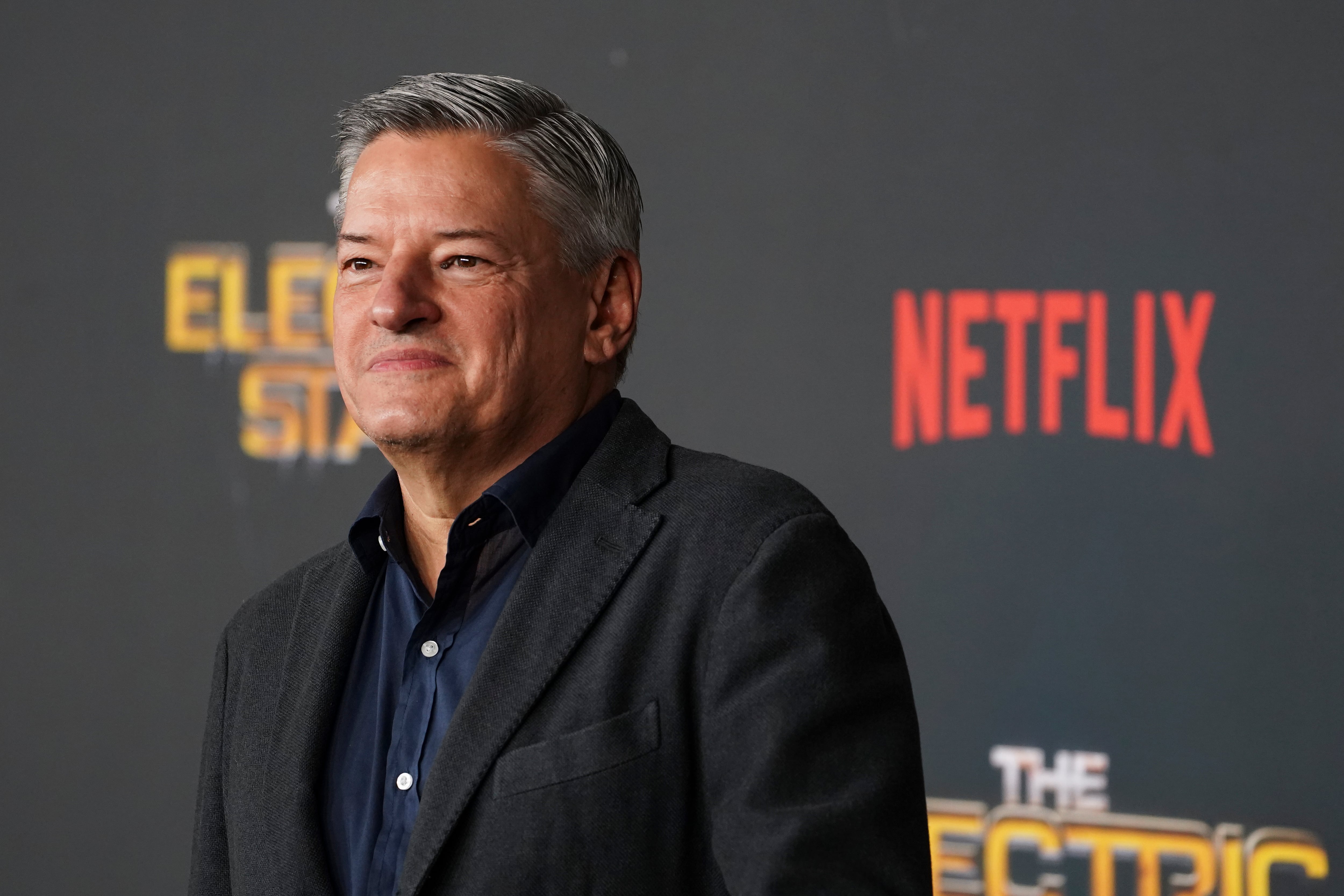
President Donald Trump says a deal struck by Netflix last week to buy Warner Bros. Discovery “could be a problem” because of the size of the combined market share. The Republican president says he will be involved in the decision about whether federal regulators should approve the deal. Trump commented Sunday when he was asked about the deal as he walked the red carpet at the Kennedy Center Honors. The $72 billion deal would bring together two of the biggest players in television and film and potentially reshape the entertainment industry.
Disney's changes to a program for disabled visitors are facing challenges in federal court and through a shareholder proposal. The Disability Access Service program, which allows disabled visitors to skip long lines, was overhauled last year. Disney now mostly limits the program to those with developmental disabilities like autism who have difficulty waiting in lines. The changes have sparked criticism from some disability advocates. A shareholder proposal submitted by disability advocates calls for an independent review of Disney's disability policies. Disney plans to block this proposal, claiming it's misleading. It's the latest struggle by Disney to accommodate disabled visitors while stopping past abuses by some theme park guests.
With a merger this big, creators, studios, and theaters all face uncertain futures. Here’s what experts are worried about and what good could come from it.
With disengagement rising and hybrid work shifting, 'Everybody Matters' author Bob Chapman explains why treating people well could define the future of work.
We sat down with Ali Furman, U.S. Consumer Markets Industry Leader at consulting firm PwC to ask what trends she garnered from the initial data this year.