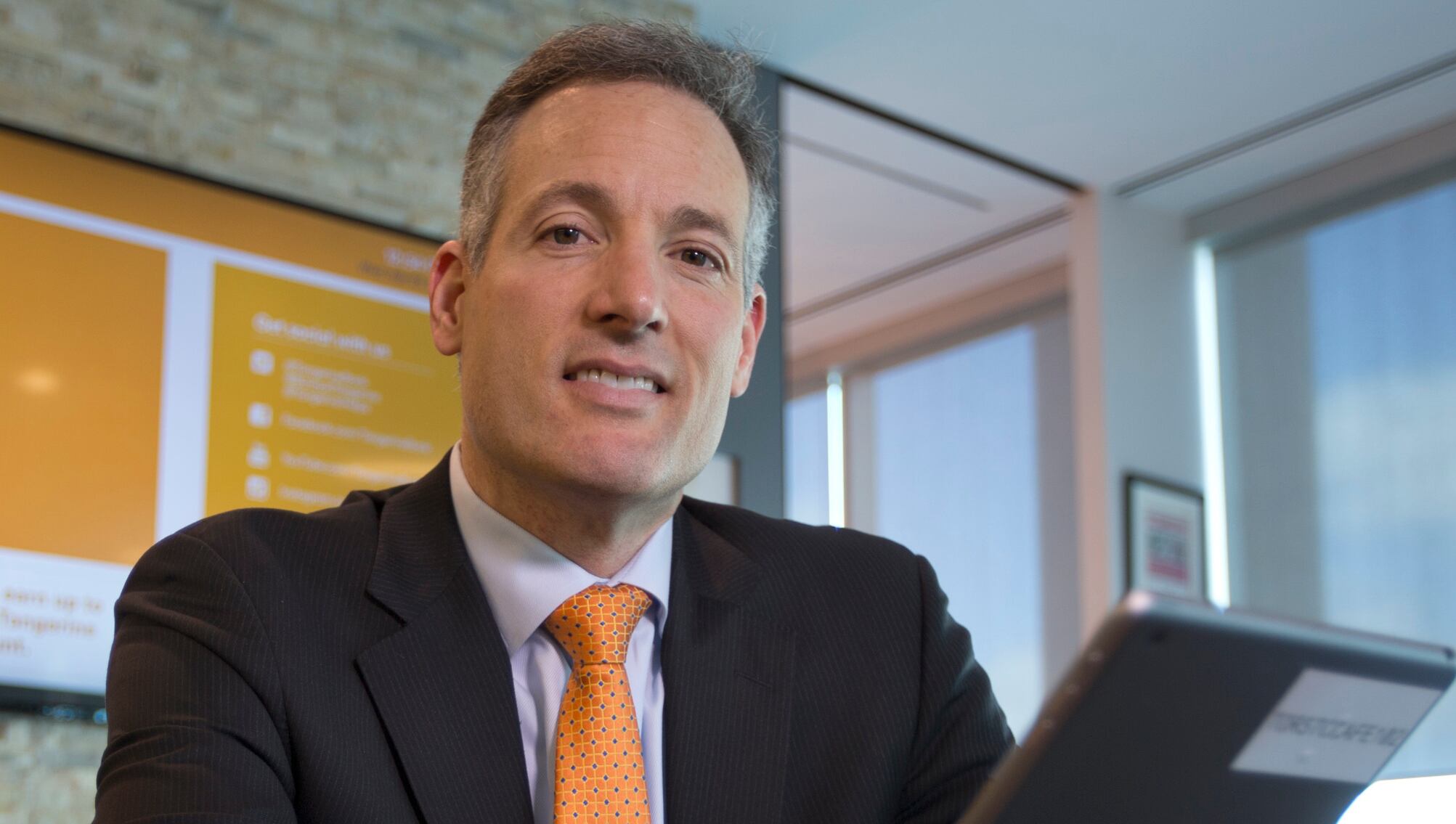
Shares of CannTrust surged 15 percent on Friday after the Canadian cannabis company announced it terminated CEO Peter Aceto in the midst of regulatory drama that has plundered the company's stock value.
"The investigation into the Company's non-compliance with Health Canada regulations and ancillary matters uncovered new information that has resulted in a determination by the Board to terminate with cause CannTrust CEO Peter Aceto," CannTrust wrote in a statement.
The board also "demanded" the resignation of chair Eric Paul. Special Committee Chair Robert Marcovitch, who joined the company from K2 Sports, has stepped in as interim CEO.
"Our first priority is to complete the remaining items of our investigation and bring the Company's operations into full regulatory compliance. Implementing the necessary changes is essential to the interests of our medical patients, customers, shareholders and employees," Marcovitch wrote in a statement.
The company said it is preparing to make additional operational changes in the coming weeks.
CannTrust revealed on July 8 that Health Canada was auditing the company for growing cannabis in unlicensed rooms in one of its facilities. Some of cannabis grown in those rooms, unlicensed between the months of October and March, made its way as far as Denmark. Health Canada placed a hold on tens of thousands of pounds of the company's cannabis inventory, before CannTrust placed a voluntary hold on all sales.
Since the disclosure, things have gotten demonstrably worse for the Vaughan, Canada-based company. A whistleblower alleged the company went to extremes to hide its unlawful behavior, and a Globe and Mail report revealed Paul and Aceto had knowledge of the illicit grow as early as November. Health Canada's investigation could result in penalties up to and including CannTrust's de-listing from the New York Stock Exchange, or having its federal license revoked.
Jefferies' analyst Ryan Tomkins predicted the management shuffle in a Wednesday note, which called management's positions "untenable."
"In CannTrust's case, where it is now becoming apparent that management were aware of non-compliance and chose not to correct it, we see wholesale executive changes necessary at the very least if HC are to uphold their license following suspension. With management arguably less suited for the industry (no prior cannabis/consumer/healthcare experience) we see changes as both likely and necessary," he wrote.
CannTrust's stock has tumbled more than 50 percent since it disclosed Health Canada's investigation on July 8.
OpenAI has appointed Slack CEO Denise Dresser as its first chief of revenue. Dresser will oversee global revenue strategy and help businesses integrate AI into daily operations. OpenAI CEO Sam Altman recently emphasized improving ChatGPT, which now has over 800 million weekly users. Despite its success, OpenAI faces competition from companies like Google and concerns about profitability. The company earns money from premium ChatGPT subscriptions but hasn't ventured into advertising. Altman had recently announced delays in developing new products like AI agents and a personal assistant.
President Donald Trump says he will allow Nvidia to sell its H200 computer chip used in the development of artificial intelligence to “approved customers” in China. Trump said Monday on his social media site that he had informed China’s leader Xi Jinping and “President Xi responded positively!” There had been concerns about allowing advanced computer chips into China as it could help them to compete against the U.S. in building out AI capabilities. But there has also been a desire to develop the AI ecosystem with American companies such as chipmaker Nvidia.
U.S. sports betting is booming as NFL and college football fuel massive activity. BetMGM CEO Adam Greenblatt breaks down trends, growth, and what’s next.
President Donald Trump says a deal struck by Netflix last week to buy Warner Bros. Discovery “could be a problem” because of the size of the combined market share. The Republican president says he will be involved in the decision about whether federal regulators should approve the deal. Trump commented Sunday when he was asked about the deal as he walked the red carpet at the Kennedy Center Honors. The $72 billion deal would bring together two of the biggest players in television and film and potentially reshape the entertainment industry.
Disney's changes to a program for disabled visitors are facing challenges in federal court and through a shareholder proposal. The Disability Access Service program, which allows disabled visitors to skip long lines, was overhauled last year. Disney now mostly limits the program to those with developmental disabilities like autism who have difficulty waiting in lines. The changes have sparked criticism from some disability advocates. A shareholder proposal submitted by disability advocates calls for an independent review of Disney's disability policies. Disney plans to block this proposal, claiming it's misleading. It's the latest struggle by Disney to accommodate disabled visitors while stopping past abuses by some theme park guests.