By Barbara Ortutay
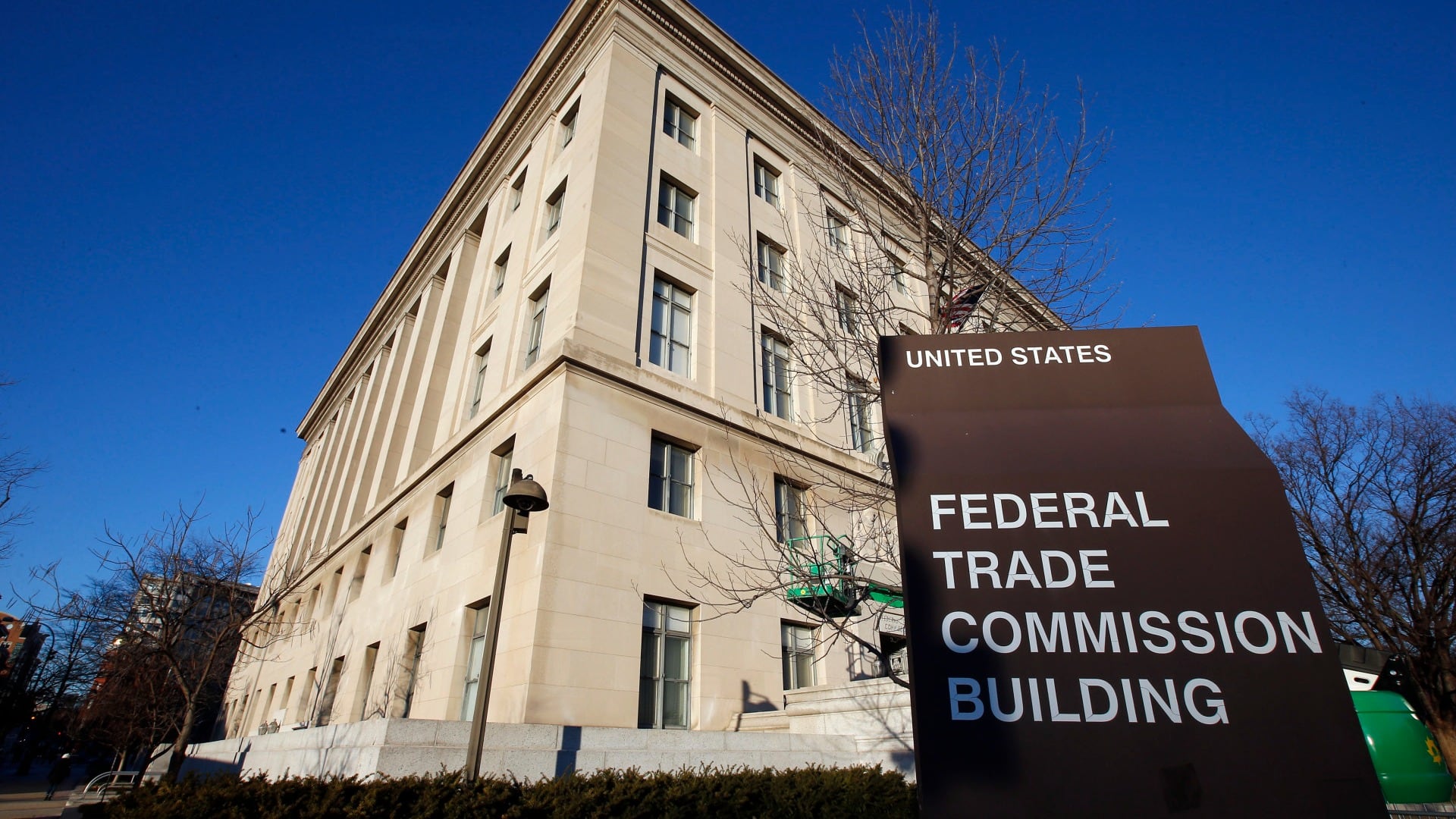
Children’s advocacy groups including Fairplay and Common Sense Media are asking the Federal Trade Commission to investigate Google, saying the tech giant serves personalized ads to kids on YouTube despite federal law prohibiting the practice.
The letter follows a report from The New York Times last week that found that ads on YouTube may have led to the online tracking of children. The federal Children’s Online Privacy Protection Act, or COPPA, requires kid-oriented websites to get parents’ consent before collecting personal information of children under 13.
In response to the Times report, Google said last week that it did not run personalized ads on children’s videos and that its ad practices fully complied with COPPA. When ads appear on children’s videos, the company told the Times, they are based on webpage content, not targeted to user profiles.
But Wednesday's letter to the FTC — also signed by the nonprofit Center for Digital Democracy — says Fairplay, as well as independent ad buyers, conducted follow-up research suggesting that the ads are, in fact, personalized. They did this by running test ad campaigns on YouTube, selecting series of users of attributes and affinities for ad targeting and instructed Google to only run the ads on “made for kids” channels.
In theory, the groups say, these test campaigns should have resulted in zero placements, because under Google and YouTube’s policy, no personalized ads are supposed to run on “made for kids” videos. But Fairplay says its targeted $10 ad campaign resulted in over 1,400 impressions on “made for kids” channels and the ad buyers reported similar results.
Google said the report's conclusions “point to a fundamental misunderstanding of how advertising works on made for kids content.”
“We do not allow ads personalization on made for kids content and we do not allow advertisers to target children with ads across any of our products,” the company said in a statement. “We also do not offer advertisers the option to directly target made for kids content as a whole. Given the allegations, we wish the author of the report had contacted us first.”
Its parent company, Alphabet, agreed in 2019 to pay $170 million to settle allegations that YouTube collected personal data on children without their parents’ consent.
In response, the company agreed to work with video creators to label material aimed at kids and said it will limit data collection when users view such videos, regardless of their age.
“If Google’s representations to its advertisers are accurate, it is violating COPPA,” said Josh Golin, executive director of Fairplay, in a statement. “The FTC must launch an immediate and comprehensive investigation and use its subpoena authority to better understand Google’s black box child-directed ad targeting."
President Donald Trump has signed an executive order to block states from regulating artificial intelligence. He argues that heavy regulations could stifle the industry, especially given competition from China. Trump says the U.S. needs a unified approach to AI regulation to avoid complications from state-by-state rules. The order directs the administration to draw up a list of problematic regulations for the Attorney General to challenge. States with laws could lose access to broadband funding, according to the text of the order. Some states have already passed AI laws focusing on transparency and limiting data collection.
The New York Times and President Donald Trump are fighting again. The news outlet said Wednesday it won't be deterred by Trump's “false and inflammatory language” from writing about the 79-year-old president's health. The Times has done a handful of stories on that topic recently, including an opinion column that said Trump is “starting to give President Joe Biden vibes.” In a Truth Social post, Trump said it might be treasonous for outlets like the Times to do “FAKE” reports about his health and "we should do something about it.” The Republican president already has a pending lawsuit against the newspaper for its past reports on his finances.
President Donald Trump says he will allow Nvidia to sell its H200 computer chip used in the development of artificial intelligence to “approved customers” in China. Trump said Monday on his social media site that he had informed China’s leader Xi Jinping and “President Xi responded positively!” There had been concerns about allowing advanced computer chips into China as it could help them to compete against the U.S. in building out AI capabilities. But there has also been a desire to develop the AI ecosystem with American companies such as chipmaker Nvidia.
House Republicans in key battleground districts are working to contain the political fallout expected when thousands of their constituents face higher bills for health insurance coverage obtained through the Affordable Care Act. For a critical sliver of the GOP majority, the impending expiration of the enhanced premium tax credits after Dec. 31 could be a major political liability as they potentially face midterm headwinds in a 2026 election critical to President Donald Trump’s agenda. For Democrats, the party’s strategy for capturing the House majority revolves around pinning higher bills for groceries, health insurance and utilities on Republicans.
President Donald Trump says a deal struck by Netflix last week to buy Warner Bros. Discovery “could be a problem” because of the size of the combined market share. The Republican president says he will be involved in the decision about whether federal regulators should approve the deal. Trump commented Sunday when he was asked about the deal as he walked the red carpet at the Kennedy Center Honors. The $72 billion deal would bring together two of the biggest players in television and film and potentially reshape the entertainment industry.
The two-sentence footnote raised serious concerns about accuracy and credibility.
Load More