By Michael Phillis
Most U.S. cities would have to replace lead water pipes within 10 years under strict new rules proposed by the Environmental Protection Agency as the Biden administration moves to reduce lead in drinking water and prevent public health crises like the ones in Flint, Michigan and Washington, D.C.
Millions of people consume drinking water from lead pipes and the agency said tighter standards would improve IQ scores in children and reduce high blood pressure and heart disease in adults. It is the strongest overhaul of lead rules in more than three decades, and will cost billions of dollars. Pulling it off will require overcoming enormous practical and financial obstacles.
“These improvements ensure that in a not too distant future, there will never be another city and another child poisoned by their pipes,” said Mona Hanna-Attisha, a pediatrician and clean water advocate.
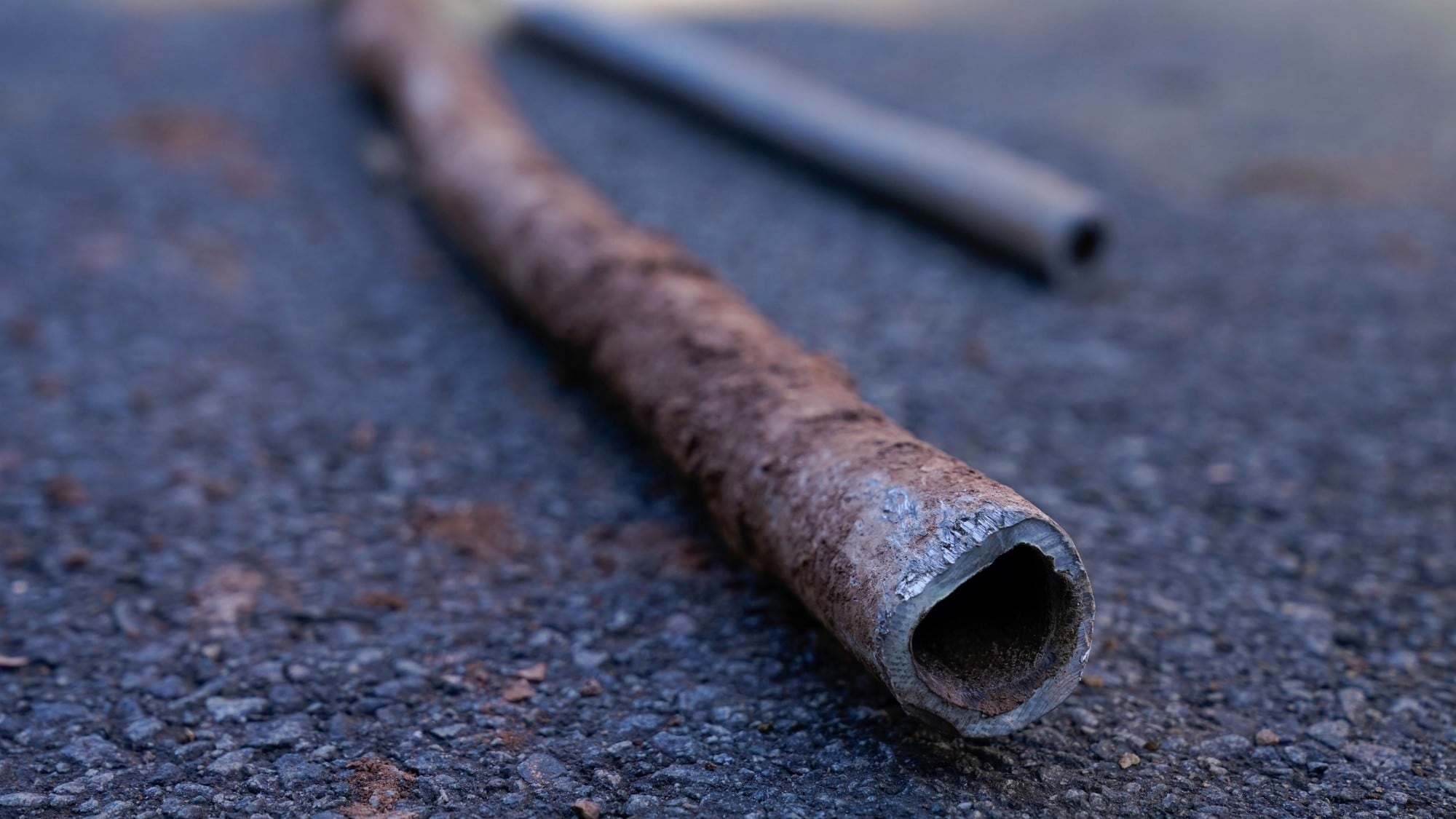
The Biden administration has previously said it wants all of the nation’s roughly 9 million lead pipes to be removed, and rapidly. Lead pipes connect water mains in the street to homes and are typically the biggest source of lead in drinking water. They are most common in older, industrial parts of the country.
Lead crises have hit poorer, majority-Black cities like Flint especially hard, propelling the risks of lead in drinking water into the national consciousness. Their impact reaches beyond public health. After the crises, tap water use declined nationally, especially among Black and Hispanic people. The Biden administration says investment is vital to fix this injustice and ensure everyone has safe, lead-free drinking water.
“We're trying to right a longstanding wrong here," said Radhika Fox, head of the EPA Office of Water. “We're bending the arc towards equity and justice on this legacy issue.”
The proposal, called the lead and copper rule improvements, would for the first time require utilities to replace lead pipes even if their lead levels aren’t too high. Most cities have not been forced to replace their lead pipes and many don’t even know where they are. Some cities with a lot of lead pipes might be given longer deadlines, the agency said.
The push to reduce lead in tap water is part of a broader federal effort to combat lead exposure that includes proposed stricter limits on dust from lead-based paint in older homes and child-care facilities and a goal to eliminate lead in aviation fuel.
The EPA enacted the first comprehensive lead in drinking water regulations in 1991. Those have significantly helped reduce lead levels, but experts have said they left loopholes that keep lead levels too high and lax enforcement allows cities to ignore the problem.
“We now know that having literally tens of millions of people being exposed to low levels of lead from things like their drinking water has a big impact on the population” and the current lead rules don't fix it, said Erik Olson, an expert with the Natural Resources Defense Council who challenged the original regulations back in the early 1990s. “We’re hoping this new rule will have a big impact.”
In addition, the EPA announced it wants to lower the level of lead at which utilities are forced to take action. And federal officials are pushing cities to do a better job informing the public when elevated lead levels are found.
Another change involves how lead is measured. Utilities would need to collect more samples and this alone could have significant consequences – when Michigan did something similar, the number of communities flagged for having high lead levels skyrocketed.
The public will have a chance to comment on the proposal and the agency expects to publish a final version of the rule in the Fall of 2024. There is then a waiting period before it goes into effect.
Unlike other contaminants, lead seeps into drinking water that’s already left the treatment plant. The main remedy is to add chemicals to keep it from leaching out of pipes and plumbing fixtures. It’s hard. A home with dangerous lead levels can be next to a house with no lead exposure at all.
It will ultimately be up to utilities to decide whether to pay the full cost of replacing lead pipes, which is too expensive for many people to afford.
“We strongly, strongly encourage water utilities to pay for it," Fox said.
The Association of Metropolitan Water Agencies, which represents large public water utilities, said it can be difficult to secure homeowner permission to do the work and handle rising costs.
President Donald Trump's administration addressed lead in water, issuing new standards just before the end of his term, after years of efforts by advocates. Those rules forced utilities to take stronger action when lead levels rose too high and required them to test day-care centers and schools. They also made communities locate their lead pipes — initial inventories are due in October 2024.
But environmental groups criticized the rule for not going far enough. In response, the Biden administration said it would make the improvements officials announced Thursday.
The 2021 infrastructure law included $15 billion to find and replace lead pipes. More will be needed. Additional federal funds are available to improve water infrastructure and the EPA is providing smaller communities with extra help. Some states, however, have been slower to attack the problem — a handful declined the first round of federal lead pipe funds.
A few communities have replaced pipes quickly. After crises in Benton Harbor, Michigan, and Newark, New Jersey, officials paid for and efficiently replaced lead pipes, adopting novel rules that required homeowners to let construction crews onto their property to do the work.
Replacing the country’s lead pipes will be expensive, but the EPA says the health benefits far outweigh the cost.
Those benefits, Fox said, “are really priceless.”
Matthew Daly contributed from Washington, D.C.
The Associated Press receives support from the Walton Family Foundation for coverage of water and environmental policy. The AP is solely responsible for all content.