Congressman Wants to Bar House Members From Corporate Boards
*Carlo Versano*
As his Republican colleague Rep. Chris Collins prepares to defend himself against charges of insider trading, Congressman Tom Reed has said he will introduce bipartisan legislation in September banning House members from serving on corporate boards.
It's a measure designed to eliminate "potential conflict and the appearance of impropriety," Reed said Tuesday in an interview with Cheddar.
Members of the House have long enjoyed the benefit of being able to serve on boards of public companies, a practice that has come under scrutiny after Collins's indictment last week.
Reed and Rep. Kathleen Rice, a New York Democrat, will propose rules similar to those in the Senate that prohibit Senators from serving on corporate boards ー even if they're not being paid by the company.
As it stands, members of Congress must disclose their board seats, but Reed wants to go further: "These types of conflicts should be avoided at all costs," he said.
Reed said there will be potential "carve-outs" for philanthropic work in his legislation, allowing members to remain on the boards of charities they support.
Unlike their Senate counterparts, members of the House have been allowed to sit on corporate boards even after they were elected to Congress. But, Reed said the House rules are too broad and don't prevent conflicts of interest.
Last week, Collins was accused of tipping off family members about a failed drug trial by an Australian biotech. Collins and his son own a stakes in the firm and the Congressman sits on the company's board.
Collins has denied any wrongdoing and since dropped out of his re-election race.
That was the "right call," Reed said.
"The district that Chris represents is a solid Republican district," Reed said. "There's a long list of candidates stepping forward on the Republican side."
For more on this story, [click here](https://cheddar.com/videos/rep-tom-reeds-push-for-change-in-corporate-boards).
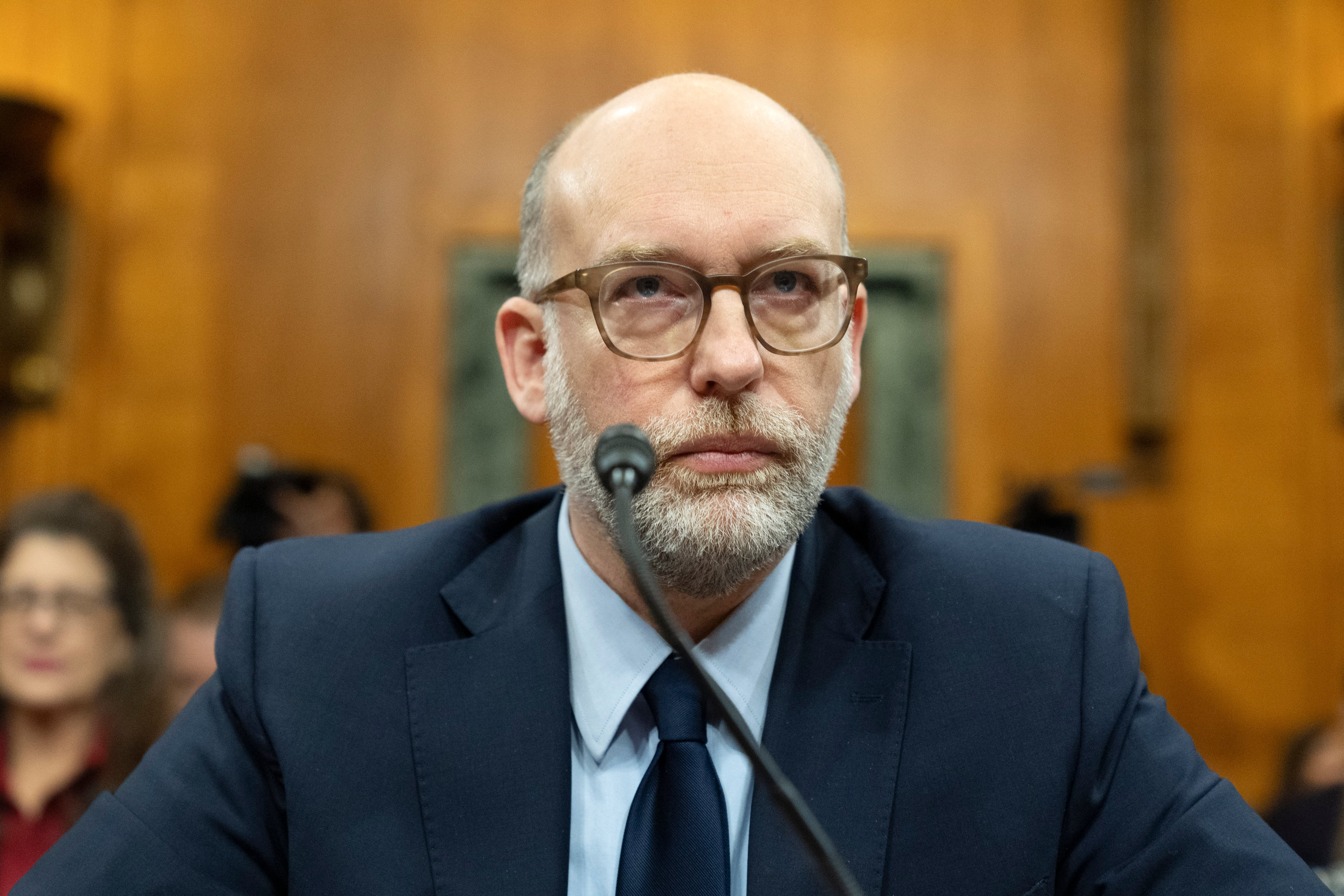
The Trump administration has ordered the Consumer Financial Protection Bureau to stop nearly all its work, effectively shutting down the agency that was created to protect consumers after the 2008 financial crisis and subprime mortgage-lending scandal. Russell Vought is the newly installed director of the Office of Management and Budget. Vought directed the CFPB in a Saturday night email to stop work on proposed rules, to suspend the effective dates on any rules that were finalized but not yet effective, and to stop investigative work and not begin any new investigations. The agency has been a target of conservatives since President Barack Obama created it following the 2007-2008 financial crisis.
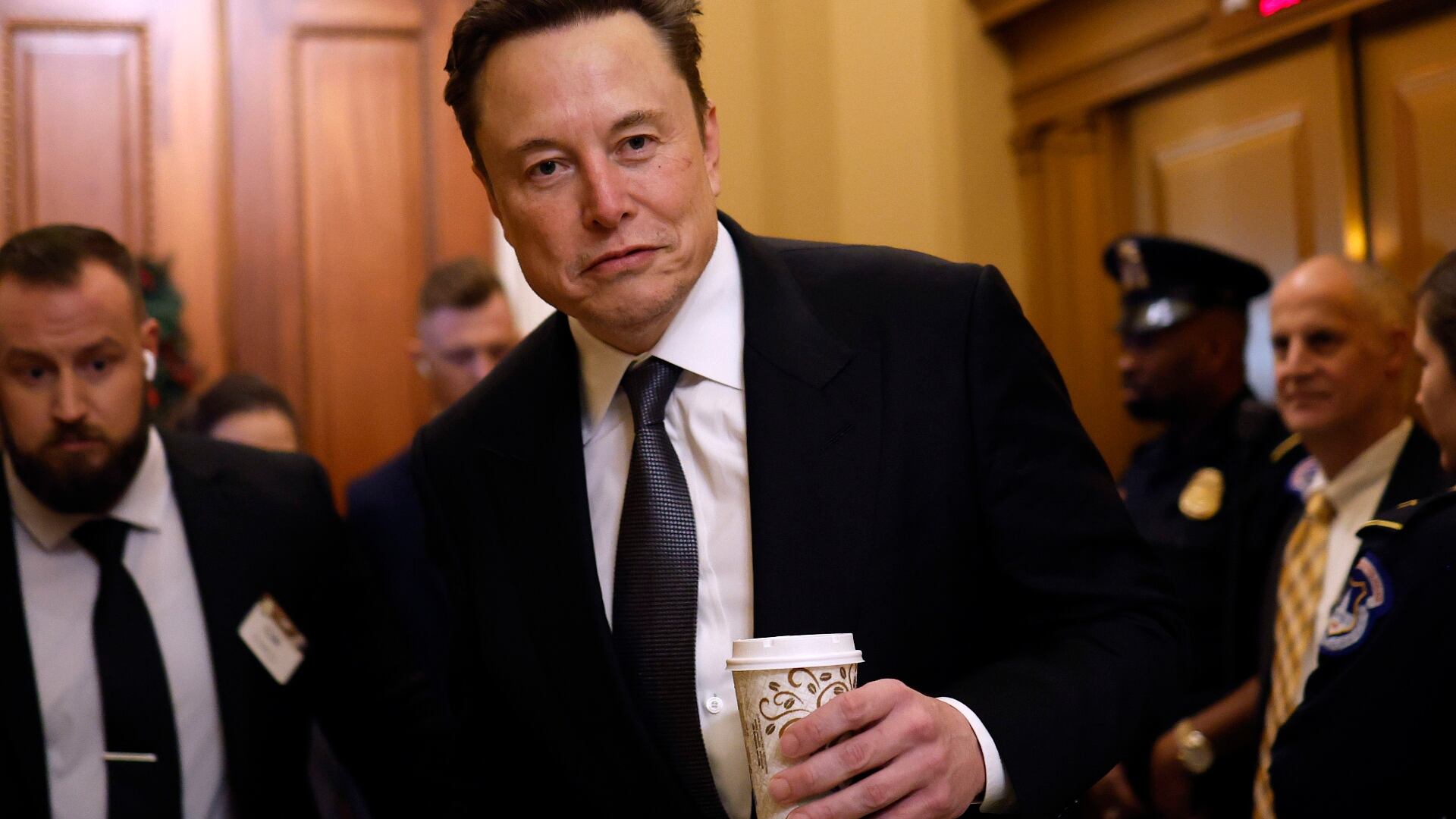
Brian Bennett, Senior White House correspondent at TIME, discusses Musk's relationship to Donald Trump and how he has such access in the federal government.
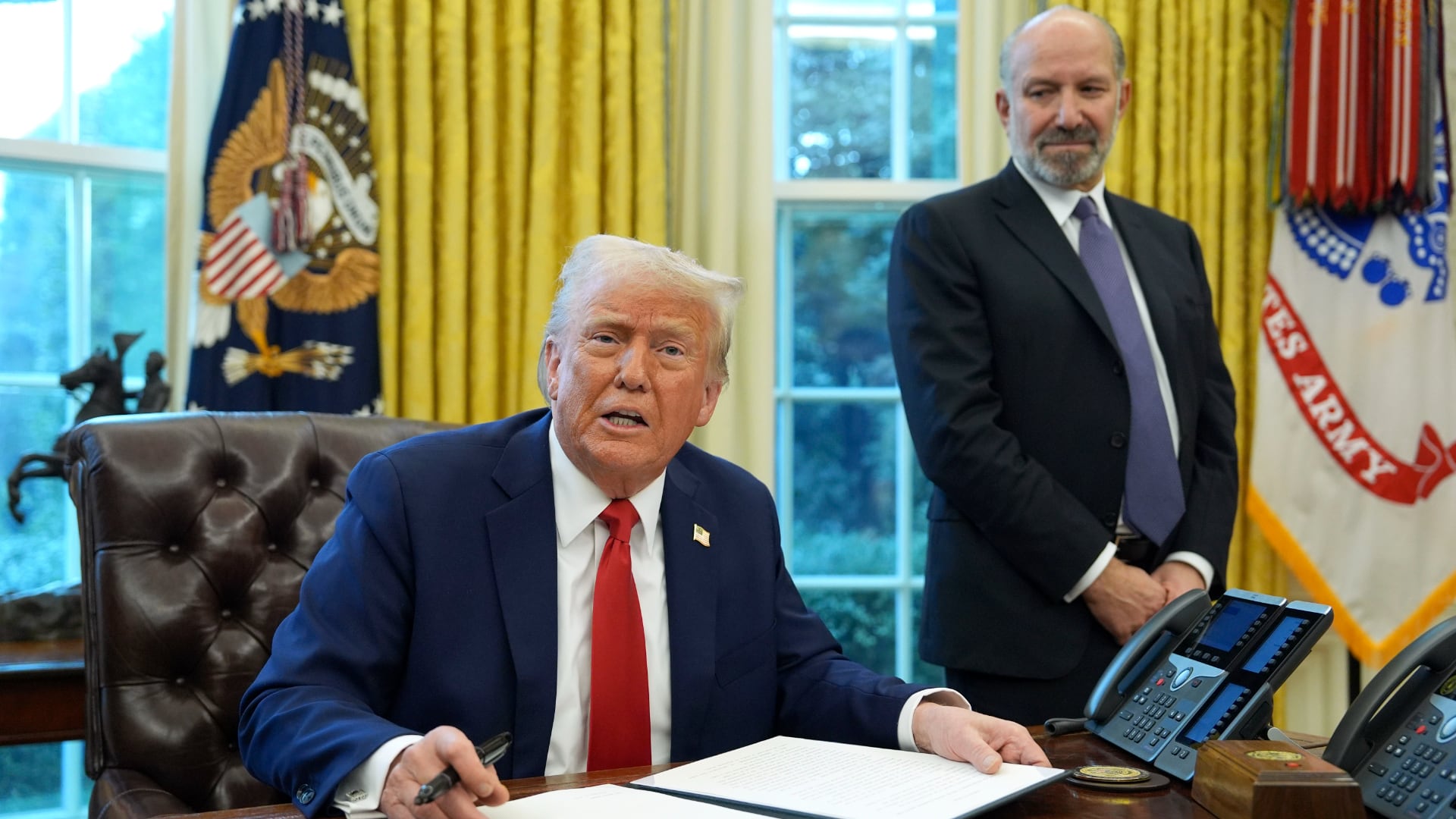
MarketWatch's Rob Schroeder helps us break down what is happening with tariffs implemented by the Trump admin., plus what Canada and Mexico have promised.
Jen Judson, Reporter at Military Times, breaks down what we know about the fatal commercial airline crash in D.C. and the ongoing investigation into its cause.
Robert Weissman, co-president of Public Citizen, discusses the lawsuits filed against DOGE and explains Public Citizen's approach to efficiency in U.S. spending
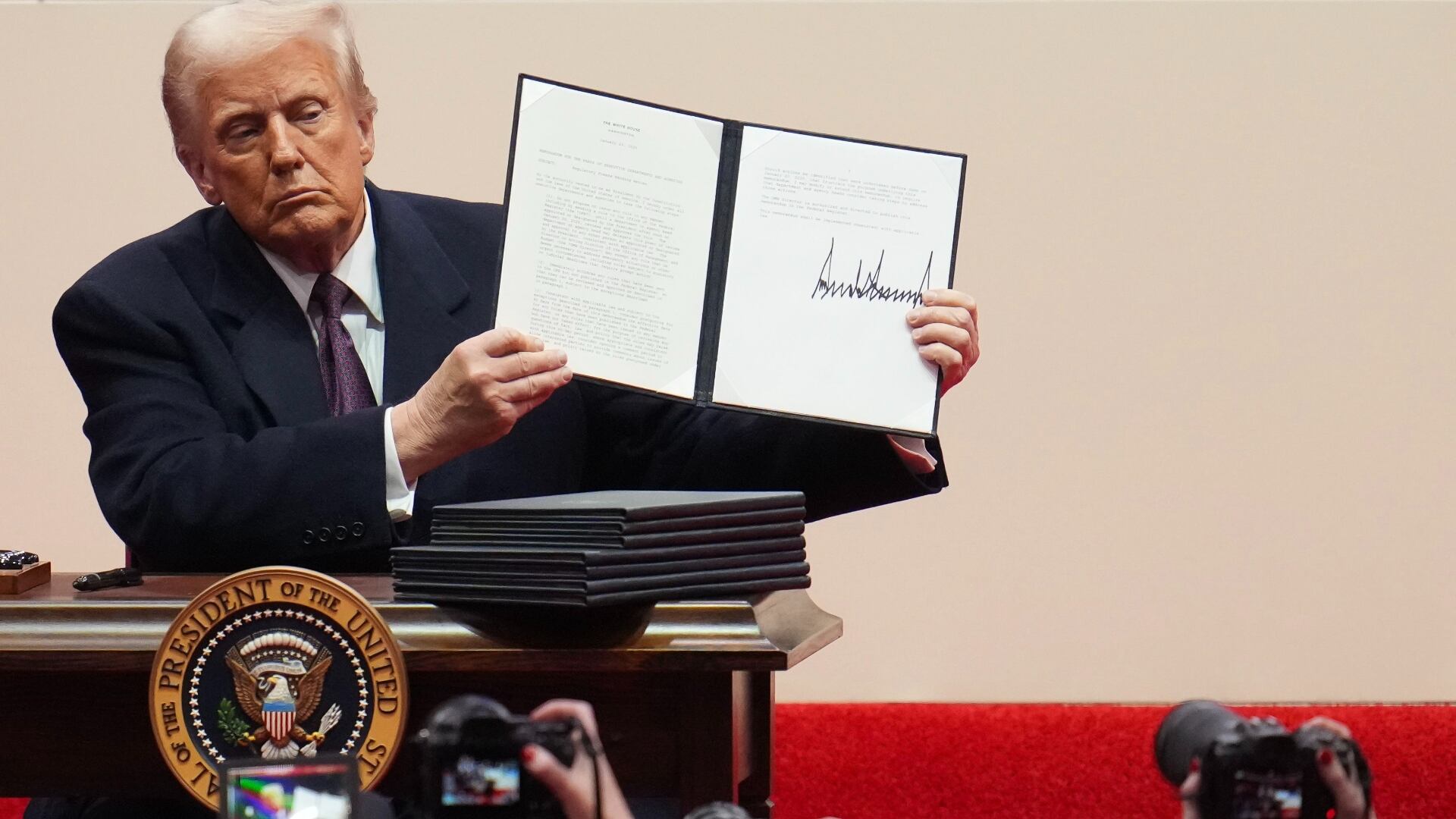
Jennifer Mattson, Contributing Writer at Fast Company, discusses the impact of Trump's first weekend in office and what's to come from the administration.
Ty Young, CEO of Ty J. Young Wealth Management, joins Cheddar to discuss Trump's moves as he returns to Washington D.C. and how it may affect the U.S. economy.