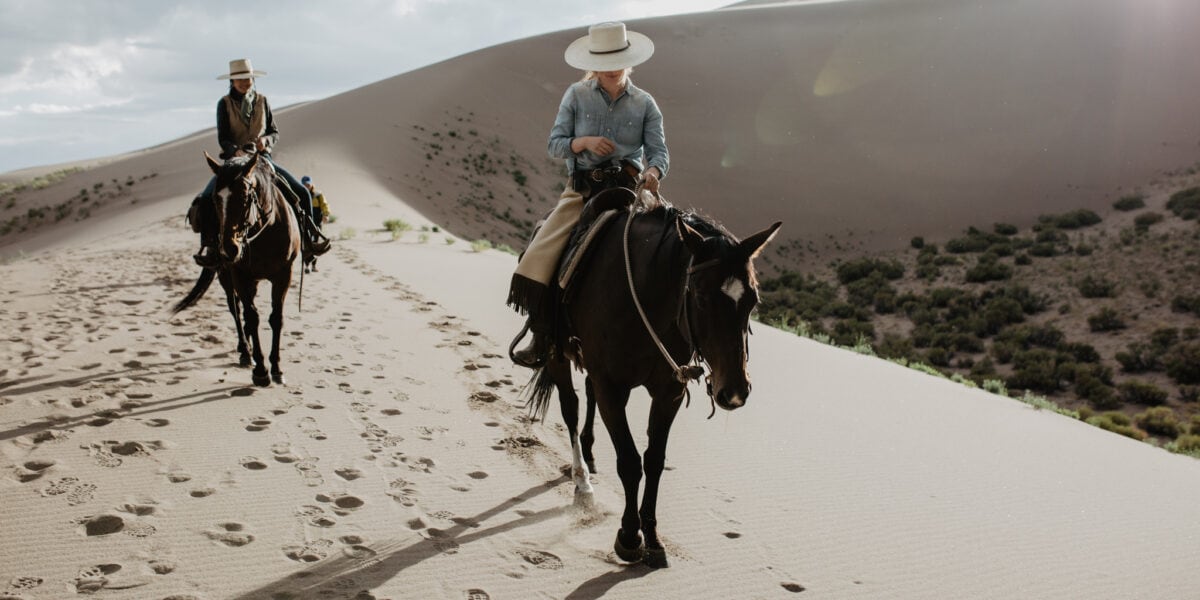
Stay at Ranchlands’ Zapata location and ride through Colorado’s Great Sand Dunes National Park. (Ranchlands/Avery Sass).
There’s a big difference between a dude ranch and a working cattle ranch, and this new generation of ranches is bringing a modern touch to a storied Western tradition.
Ranchlands
This Colorado agricultural business operates large-scale cattle and bison ranches in addition to hospitality stays focused on preserving the legacy of ranching in the American West. They also have a mercantile with expertly crafted leatherworks. Guests who stay on-site can learn time-honored crafts like natural dyeing, all of which are geared toward preserving native grasslands while creating meaningful experiences.
Lone Mountain Ranch
This petite resort housed inside a restored 1915 homestead in Big Sky, Montana, hosts rodeos and Western concerts for both guests and locals in the northern Rockies. The property opened for its first season this year, offering 53 miles of trails, access to Yellowstone National Park, excellent fly fishing, and the full-service farm-to-table Horn & Cantle restaurant and saloon.
Alisal Ranch
Situated on 10,500 acres in California’s Santa Ynez Valley, this historic ranch hosts regular wellness retreats, including one offering an equine therapy program, where guests explore the human-horse connection. Guests experience multiple sessions that build on each other, walking away with new inter- and intrapersonal skills.
As commercial options tighten, more travelers are turning to private aviation. Wheels Up CEO George Mattson breaks down capacity and demand challenges.
Layoffs, hiring slowdowns, and shifting skill demands dominate this year’s job talk. LinkedIn’s Kory Kantenga explains what workers should watch for next.
Retailers face tariffs and cost challenges this holiday season. Wells Fargo's Lauren Murphy shares insights on pricing, promotions, and shopping trends.
Dateability, founded by sisters Jacqueline and Alexa Child, is the only dating app for disabled and chronically ill communities, fostering love without limits.
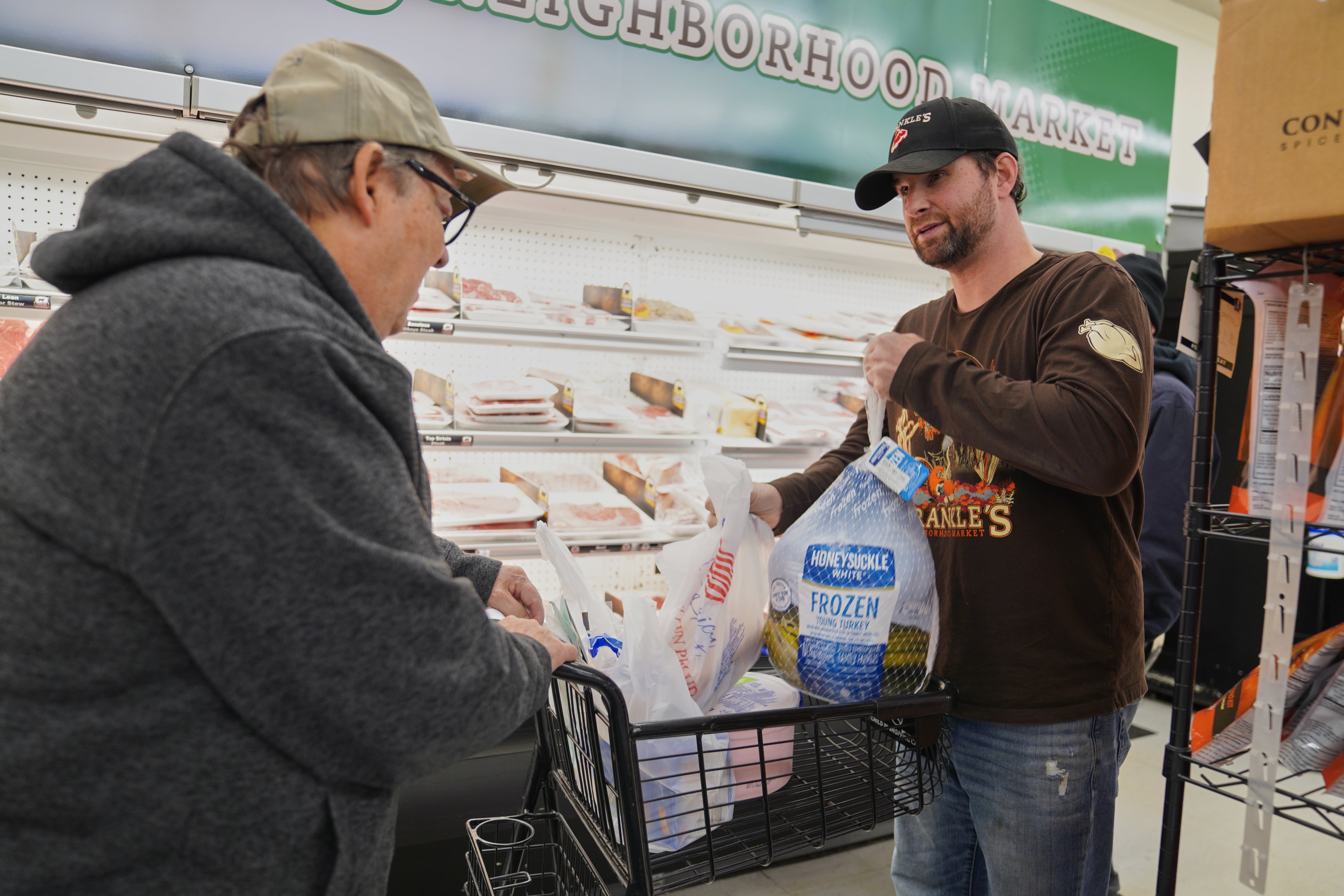
Some small grocery stores and neighborhood convenience stores are eager for the U.S. government shutdown to end and for their customers to start receiving federal food aid again. Late last month, the Trump administration froze funding for the SNAP benefits that about 42 million Americans use to buy groceries. The U.S. Department of Agriculture says about 74% of the assistance was spent last year at superstores like Walmart and supermarkets like Kroger. Around 14% went to smaller stores that are more accessible to SNAP beneficiaries. A former director of the United Nations World Food Program says SNAP is not only a social safety net for families but a local economic engine that supports neighborhood businesses.
Andy Baehr, Head of Product at CoinDesk Indices, breaks down crypto’s Black Friday crash, Bitcoin dipping under $100K, and what’s driving the market rout.