By Christopher Rugaber

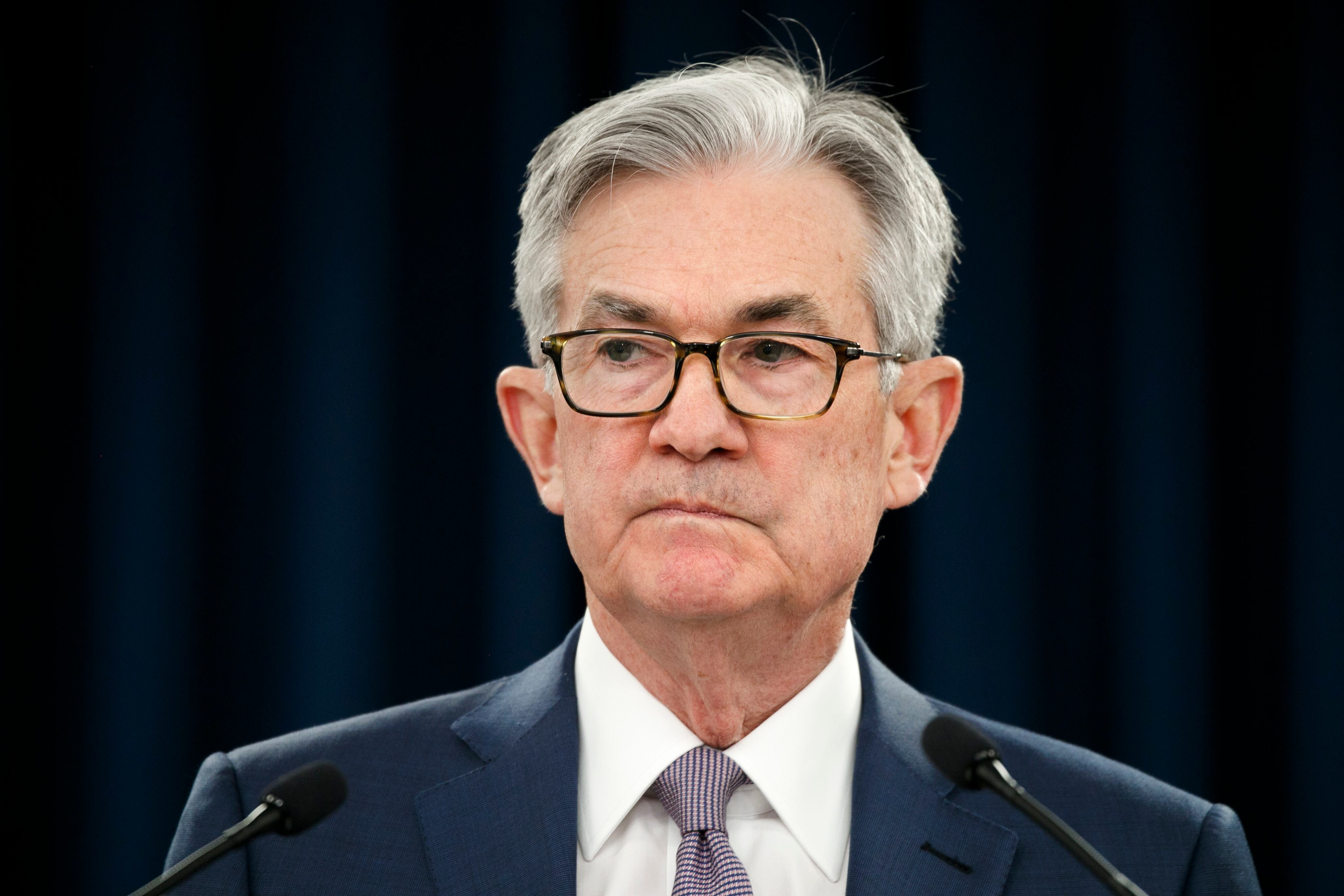
Federal Reserve Chair Jerome Powell warned Wednesday of the threat of a prolonged recession resulting from the worldwide COVID-19 outbreak and urged Congress and the White House to act further to prevent long-lasting economic damage.

The Fed and Congress have taken far-reaching steps to try to counter what is likely to be a severe downturn resulting from the widespread shutdown of the U.S. economy. But Powell cautioned that widespread bankruptcies among small businesses and extended unemployment for many people remain a serious risk.

“We ought to do what we can to avoid these outcomes,” Powell said.

Additional rescue aid from government spending or tax policies, though costly, would be “worth it if it helps avoid long-term economic damage and leaves us with a stronger recovery,” he said.

Powell spoke a day after House Speaker Nancy Pelosi, a California Democrat, proposed a $3 trillion aid package that would direct money to small businesses, state and local governments and other beleaguered institutions. This money would come on top of roughly $3 trillion in earlier financial assistance that the government has provided. The Fed itself has also intervened by slashing interest rates to near zero and creating numerous emergency lending programs.

Yet Trump administration officials have said they want to see how previous aid packages affect the economy. And Republican leaders in Congress have expressed skepticism about allowing significantly more spending right now.

“Deeper and longer recessions can leave behind lasting damage to the productive capacity of the economy,” the chairman warned in his prepared remarks before holding an online discussion with the Peterson Institute for International Economics. “Avoidable household and business insolvencies can weigh on growth for years to come.”

He said the Fed would “continue to use our tools to their fullest” until the viral outbreak subsides, but he gave no hint of what the Fed's next steps might be.

Powell repeated his previous warnings that the Fed can lend money to solvent companies to help carry them through the crisis. But a longer downturn could threaten to bankrupt previously healthy companies without more help from the government.

Powell’s downbeat view contrasted with a speech Monday by Charles Evans, president of the Federal Reserve Bank of Chicago. Evans sketched a more upbeat outlook and suggested that “it’s reasonable to assume a legitimate return to growth in the second half” of this year and into 2021.

In his remarks Wednesday, the Fed chairman underscored some of the harsh impacts of the recession. Among those working in February, nearly 40 percent of households earning less than $40,000 a year lost a job in March, Powell said.

Share:
More In Business
OpenAI names Slack CEO Dresser as first chief of revenue
OpenAI has appointed Slack CEO Denise Dresser as its first chief of revenue. Dresser will oversee global revenue strategy and help businesses integrate AI into daily operations. OpenAI CEO Sam Altman recently emphasized improving ChatGPT, which now has over 800 million weekly users. Despite its success, OpenAI faces competition from companies like Google and concerns about profitability. The company earns money from premium ChatGPT subscriptions but hasn't ventured into advertising. Altman had recently announced delays in developing new products like AI agents and a personal assistant.
Trump approves sale of more advanced Nvidia computer chips used in AI to China
President Donald Trump says he will allow Nvidia to sell its H200 computer chip used in the development of artificial intelligence to “approved customers” in China. Trump said Monday on his social media site that he had informed China’s leader Xi Jinping and “President Xi responded positively!” There had been concerns about allowing advanced computer chips into China as it could help them to compete against the U.S. in building out AI capabilities. But there has also been a desire to develop the AI ecosystem with American companies such as chipmaker Nvidia.
Trump says Netflix deal to buy Warner Bros. ‘could be a problem’ because of size of market share
President Donald Trump says a deal struck by Netflix last week to buy Warner Bros. Discovery “could be a problem” because of the size of the combined market share. The Republican president says he will be involved in the decision about whether federal regulators should approve the deal. Trump commented Sunday when he was asked about the deal as he walked the red carpet at the Kennedy Center Honors. The $72 billion deal would bring together two of the biggest players in television and film and potentially reshape the entertainment industry.
What to know about changes to Disney parks’ disability policies
Disney's changes to a program for disabled visitors are facing challenges in federal court and through a shareholder proposal. The Disability Access Service program, which allows disabled visitors to skip long lines, was overhauled last year. Disney now mostly limits the program to those with developmental disabilities like autism who have difficulty waiting in lines. The changes have sparked criticism from some disability advocates. A shareholder proposal submitted by disability advocates calls for an independent review of Disney's disability policies. Disney plans to block this proposal, claiming it's misleading. It's the latest struggle by Disney to accommodate disabled visitors while stopping past abuses by some theme park guests.
Load More