It's déjà vu in Washington D.C. as another memo and another government shutdown loom over the world of politics. Rare Politics' Jack Hunter joins Cheddar to break down whether Democrats will release their own memo about the FBI. He considers what's at stake for both parties as the politicization of the intelligence community continues into a second week.
President Trump said he felt "vindicated" by the release of Rep. Devin Nunes' (R-CA) disputed memo. The editor explains how politicians from both sides of the aisle are reacting to the statement. He also assesses the D.C. landscape as the government hurdles into yet another funding deadline.
Hunter gives his prediction as to whether both sides will be able to agree on a DACA deal by week's end. He also reveals how he thinks Speaker Paul Ryan handled the controversy surrounding his $1.50 tweet over the weekend. He deleted the tweet after touting the tax plan for saving some Americans $1.50 a week.
Texas Gov. Greg Abbott sent a busload of migrants to downtown Los Angeles on Wednesday, prompting Mayor Karen Bass to respond to Abbott's move as a "despicable stunt."
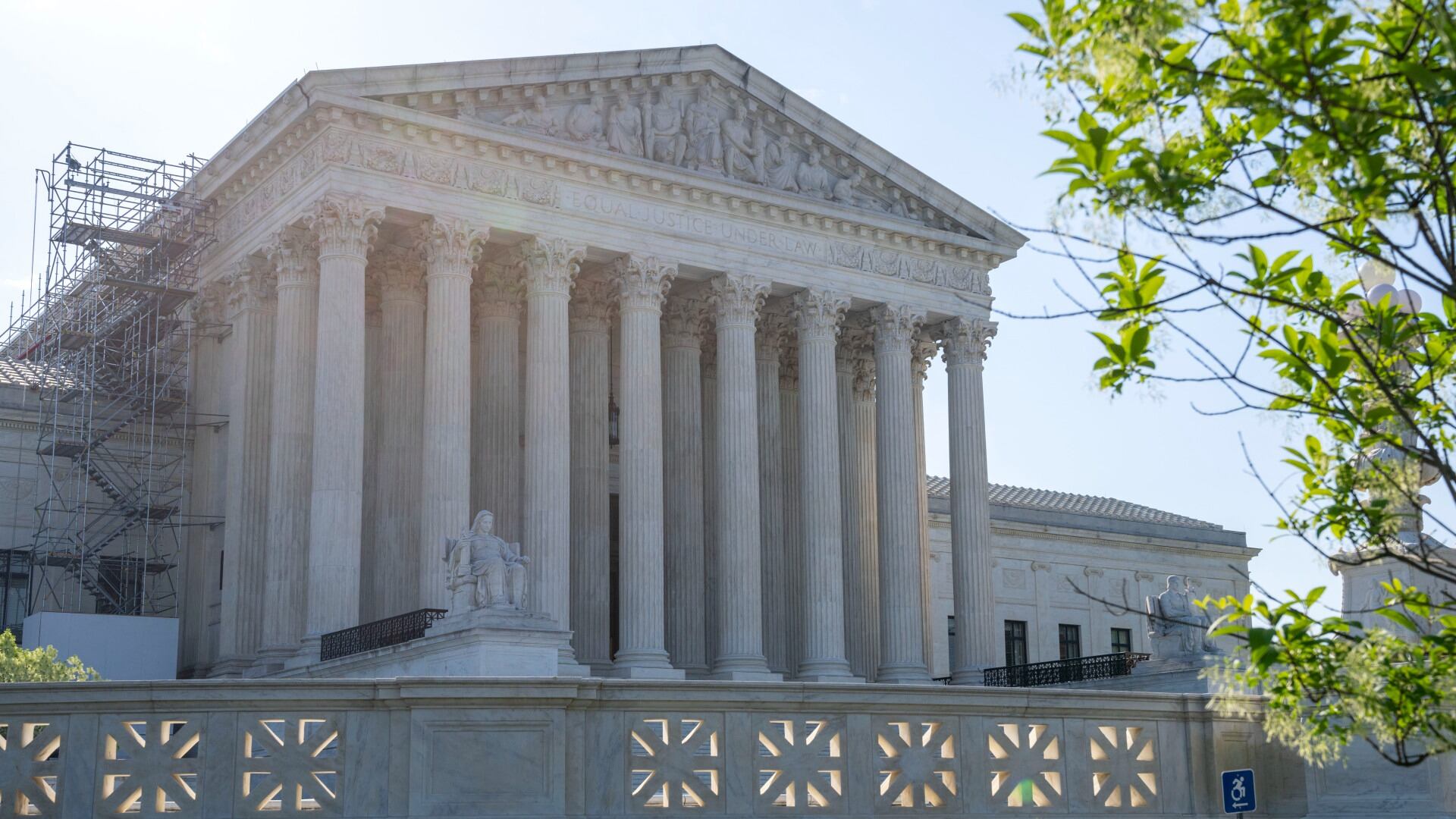
The Supreme Court on Thursday preserved the system that gives preference to Native American families in foster care and adoption proceedings of Native children, rejecting a broad attack from some Republican-led states and white families who argued it is based on race.
The U.S. Department of Agriculture said Wednesday it hopes to weed out false or misleading animal-welfare claims on meat and poultry packaging with new guidance and testing.
New York City is paying to house newly-arrived migrants in hotel rooms. Cheddar News takes a closer look at one of the hotels, the Holiday Inn, which is housing about 15,000 migrants over the next 15 months.
We've been closely following the migrants that were sent to various cities across the United States. Now New York City is paying for hotel rooms for migrants who were sent there. Cheddar's own Ashley Mastronardi has a closer look at one of the hotels.
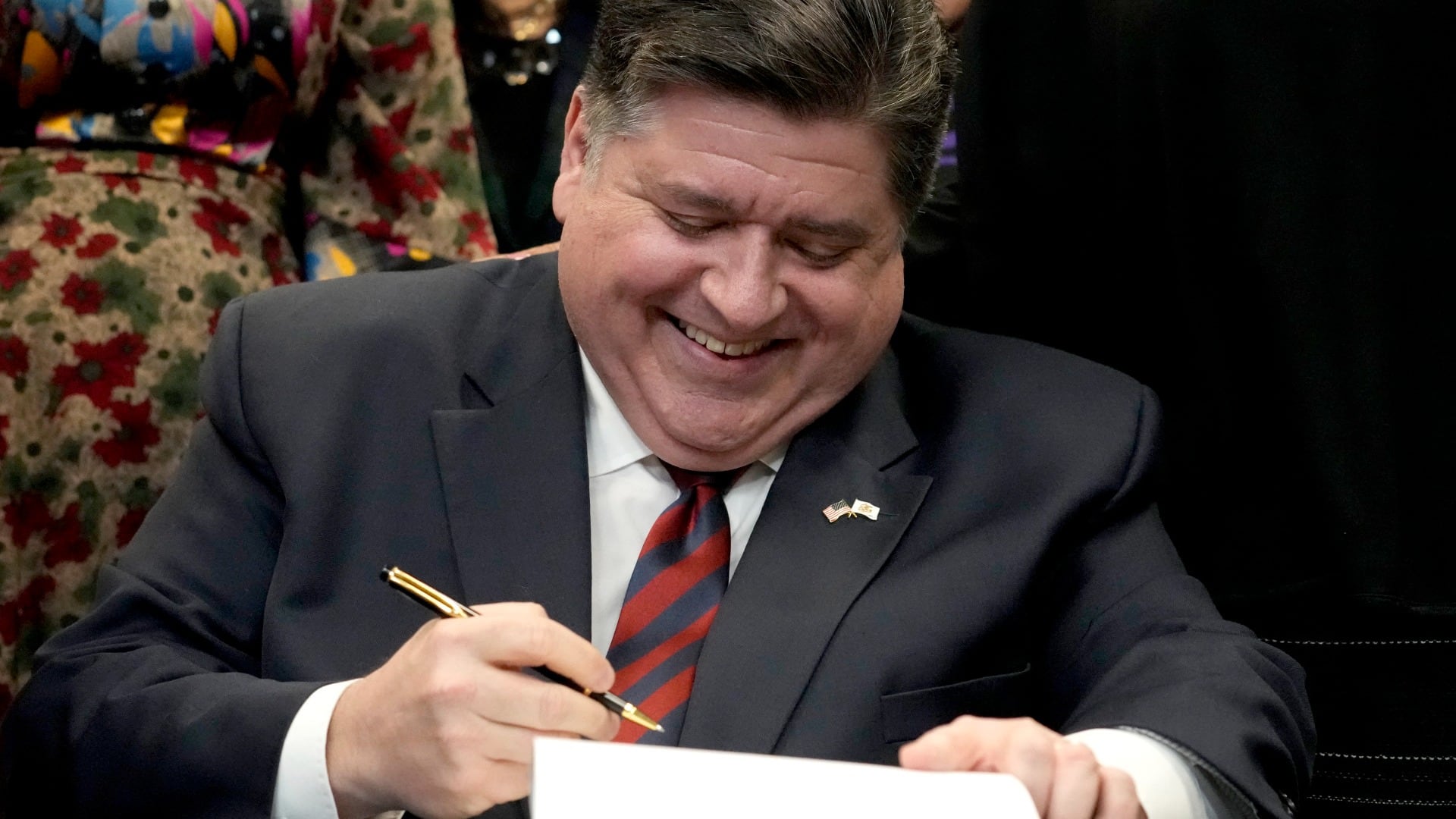
Illinois Governor J.B. Pritzker signed a bill that stops public schools and libraries from banning books.
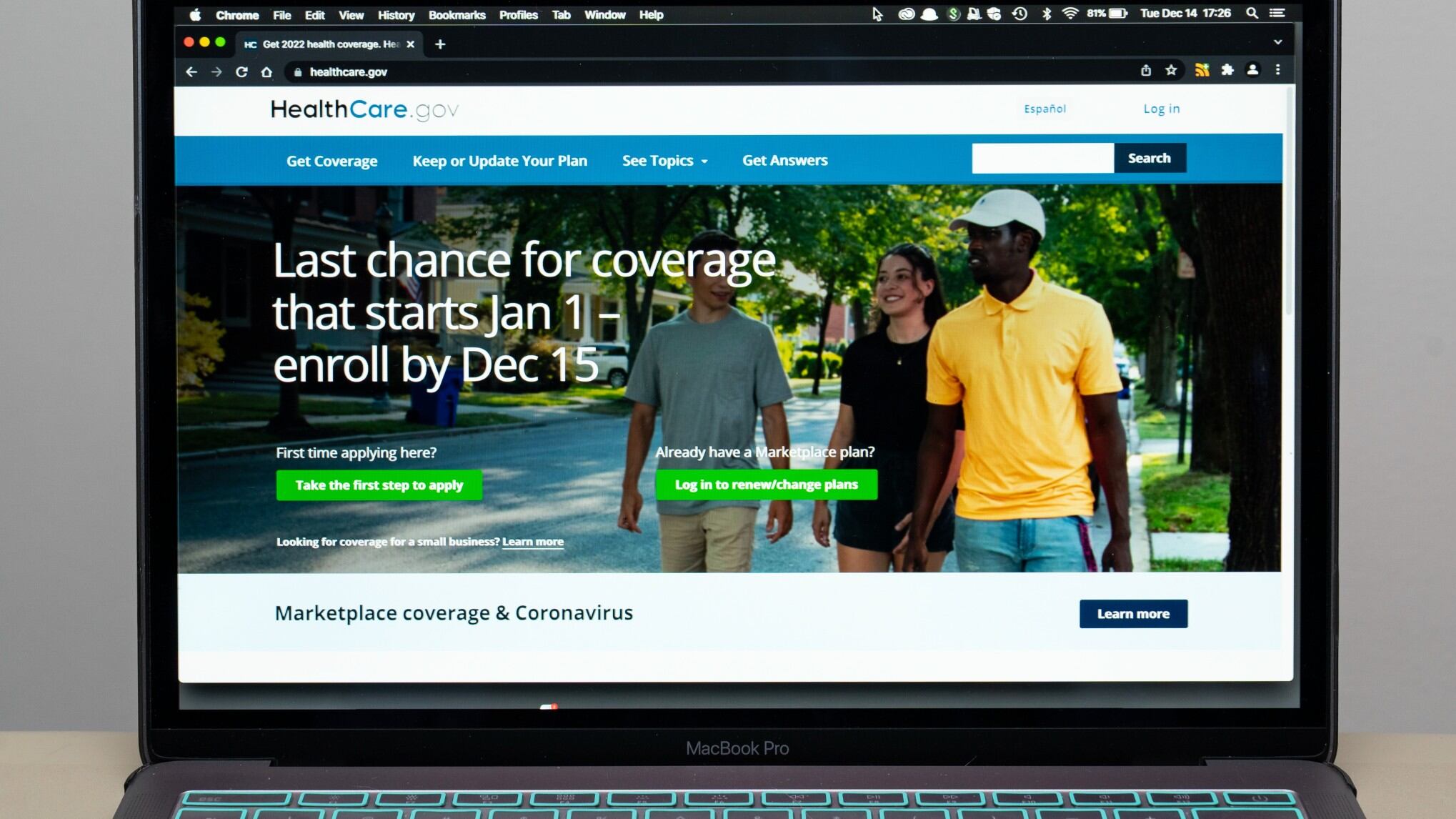
The Biden administration reached a deal to preserve a federal mandate requiring health insurers to cover preventive care at no extra cost for patients.
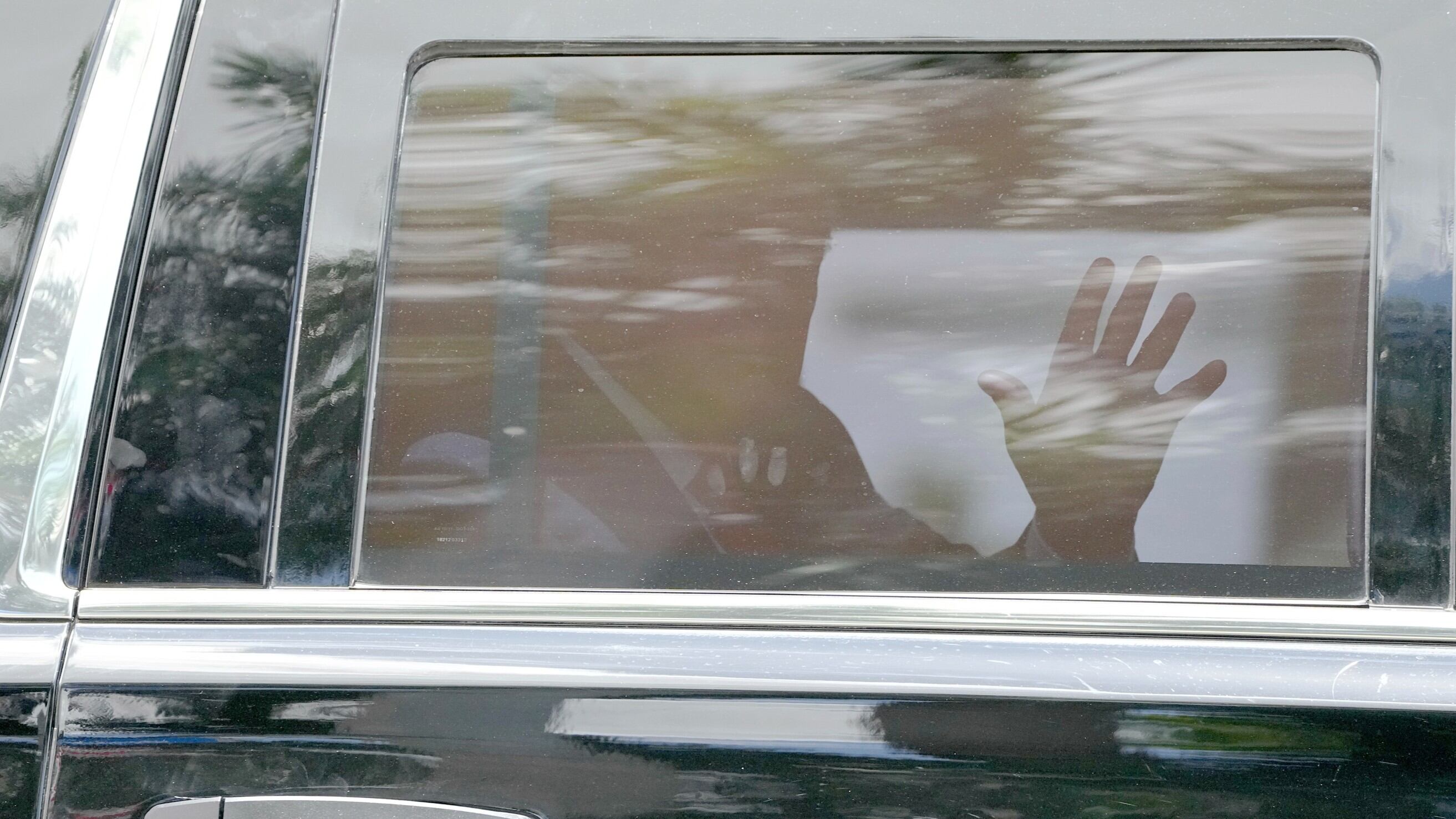
Former President Donald Trump arrives for his arraignment in Miami.
The government can keep enforcing “Obamacare” requirements that health insurance plans cover preventative care — such as HIV prevention, some types of cancer screenings and other illnesses — while a legal battle over the mandates plays out, under a court agreement approved Tuesday.
Two men who were active-duty members of the Marines Corps when they stormed the U.S. Capitol pleaded guilty on Monday to riot-related criminal charges.