Wondering what potential home buyers are prioritizing? Zillow just released its most searched for home features from last year. (Unsplash/Ian MacDonald)
Everyone has a list of must-haves when it comes to finding a home, and Zillow is sharing the most popular amenities. Last January, the real estate marketplace introduced an AI-powered natural-language search engine, which encouraged users to look up specific home features.
Of the more than 250 billion searches, potential buyers’ interests ranged from nice-to-haves like fireplaces and pools to more practical rooms like a basement or garage. Here is the full list of Zillow’s 10 most commonly searched terms from last year:
Garage
Backyard
Fireplace
Walk-in closet
Patio
Open floor plan
Pool
Family room
Basement
Granite counters
Here in the West, people were dreaming about top-notch views and preparing for the cooler winter months. A few of the standout search terms included “water views” in Seattle, “city views” in San Francisco, “mountain views” in Colorado Springs, and “central heating” in Los Angeles. Beyond L.A., central AC and heating were a priority in 22 out of 30 cities analyzed in the study.
Another standout search? “Contemporary style” homes in Tucson, Arizona. In fact, Tucson was the only city with an architectural style as one of the top five search terms.
Zillow’s recently introduced search engine is available with the Zillow app for iOS users, and it’s coming soon for Android devices and Zillow.com. Based on your queries, you can also review suggested searches and look back on your search history.
And while the AI search engine is helpful and widely used in the Zillow app, you can also adjust these preferences by filtering your search. Simply click on the “Filters” tab at the top of your screen, and explore homes with your specific needs and wants. These specifications include properties for sale or rent, within an ideal price range, with amenities like a garage or basement, and more.
As commercial options tighten, more travelers are turning to private aviation. Wheels Up CEO George Mattson breaks down capacity and demand challenges.
Layoffs, hiring slowdowns, and shifting skill demands dominate this year’s job talk. LinkedIn’s Kory Kantenga explains what workers should watch for next.
Retailers face tariffs and cost challenges this holiday season. Wells Fargo's Lauren Murphy shares insights on pricing, promotions, and shopping trends.
Dateability, founded by sisters Jacqueline and Alexa Child, is the only dating app for disabled and chronically ill communities, fostering love without limits.
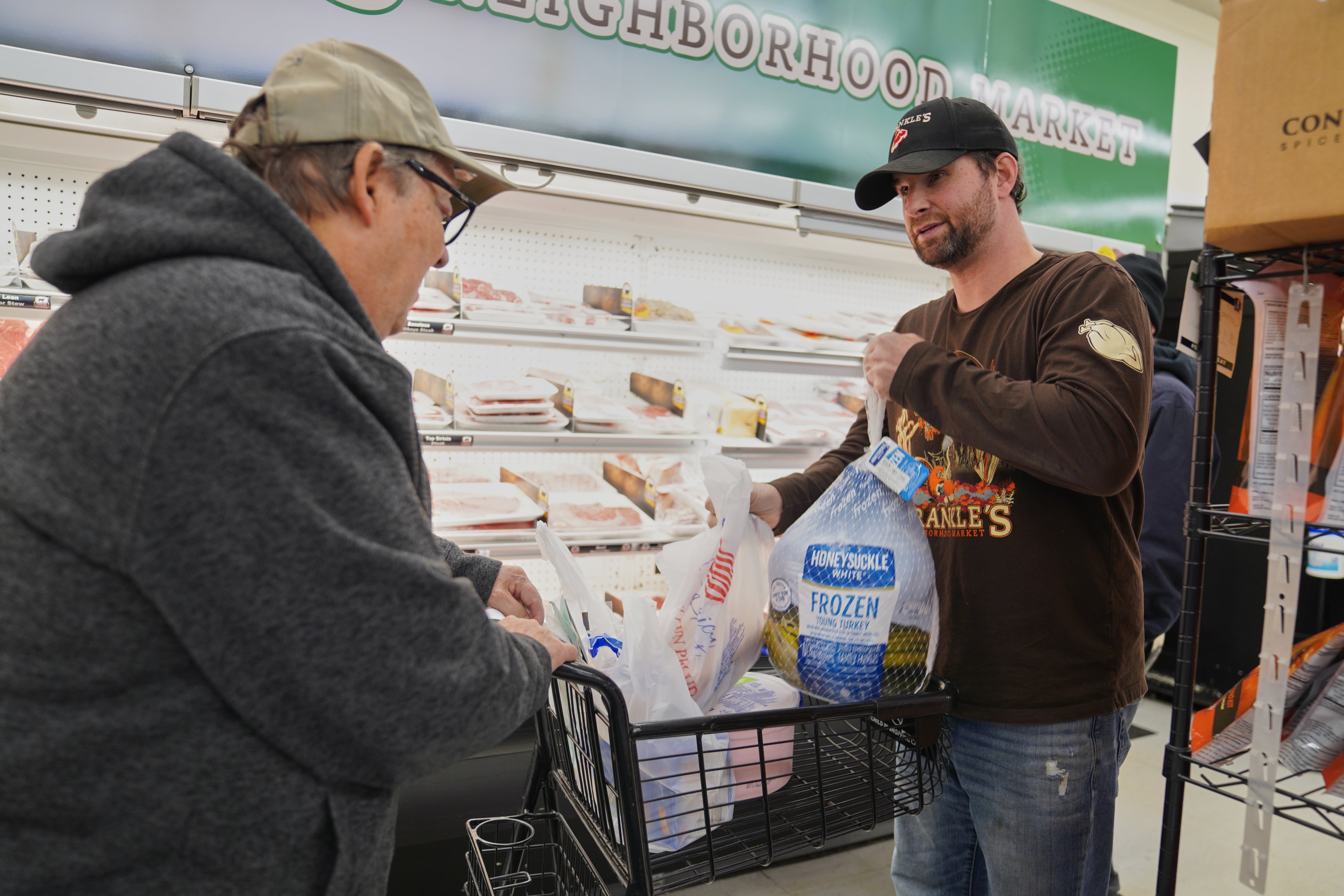
Some small grocery stores and neighborhood convenience stores are eager for the U.S. government shutdown to end and for their customers to start receiving federal food aid again. Late last month, the Trump administration froze funding for the SNAP benefits that about 42 million Americans use to buy groceries. The U.S. Department of Agriculture says about 74% of the assistance was spent last year at superstores like Walmart and supermarkets like Kroger. Around 14% went to smaller stores that are more accessible to SNAP beneficiaries. A former director of the United Nations World Food Program says SNAP is not only a social safety net for families but a local economic engine that supports neighborhood businesses.
Andy Baehr, Head of Product at CoinDesk Indices, breaks down crypto’s Black Friday crash, Bitcoin dipping under $100K, and what’s driving the market rout.