RNC Spokesperson: President Trump's Tariffs Should Come As No Surprise
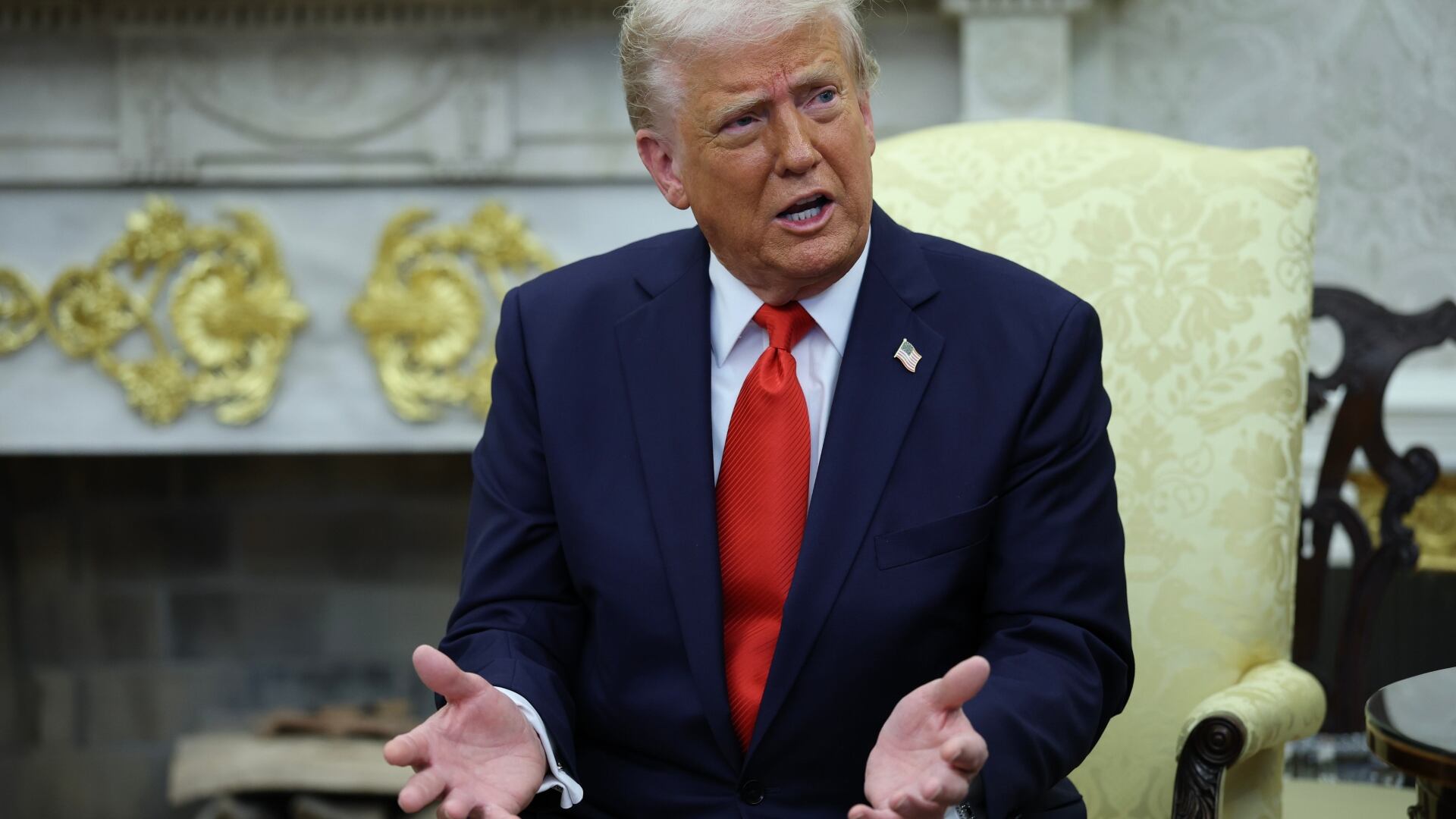
President Trump is proposing a 25% tax on steel brought to the U.S., and a 10% tax on aluminum. The announcement sent the stock market into a tailspin. RNC Spokeswoman Kayleigh McEnany says Americans should not be surprised by the move.
From the time he was a businessman, Donald Trump has criticized America's trade imbalance and pushed for reform. "What President Trump has done is not different then what many Republican president's have done," McEnany said.
President Trump's unpredictability has lead to GOP infighting. McEnany says the RNC appreciates robust debate on all issues, but also encourages Republicans to get behind the President because he is fulfilling campaign promises. She added that the Democratic party is actually the one falling apart ever since it failed to put forward viable presidential candidates back in 2016.
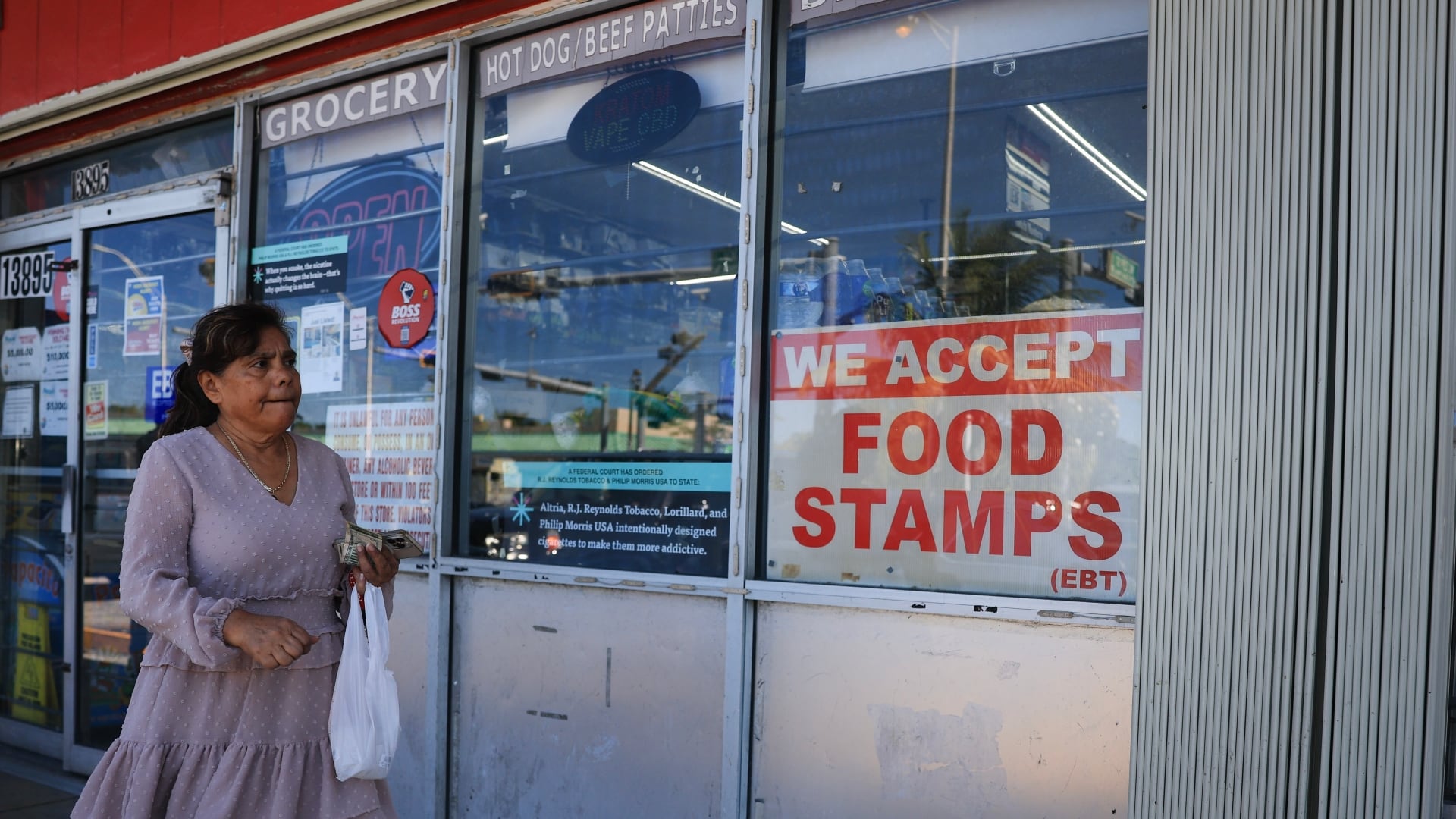
Sabrina Siddiqui, National Politics Reporter at The Wall Street Journal, joins to break down the SNAP funding delays and the human cost of the ongoing shutdown.
Politico's Marcia Brown breaks down the MAHA draft roadmap: industry-friendly, light on regulation, heavy on research and voluntary food policy changes.
Amanda Chu of POLITICO reveals how lawmakers are betting millions on pharma stocks even as Trump threatens tariffs and demands steep drug price cuts. Watch!