Cheddar's "CannaBiz" program is dedicated to the business of marijuana. In each episode we explore the growing market, landscape for regulation, and ways people and businesses are capitalizing on the space. During this episode Cheddar Anchors Hope King and Brad Smith explore pending legislation in Vermont, and a company expanding deeper into the medical marijuana market.
According to a new report by New Frontier Data, Cannabis could create more than $130 billion dollars in federal tax revenue by 2025. That's if the federal government legalizes the drug. It could also ad 1.1 million jobs by 2025.
Vermont could be the next state to change it's current marijuana laws. Vermont Governor Phil Scott planning to sign a bill to legalize marijuana for those 21 years or older. This will make Vermont the first state to do so through legislation. Montpelier, Vermont Mayor John Hollar explains how this could impact the growing market.
"People generally think its an inevitability in our state that we will have a legalization," says Hollar. "I think people understand and recognize that its going to happen."
Now that cannabis is legal in California, many people are wondering how to add it to their recipes in the kitchen. Cheddar's Alyssa Julya Smith joined Jeff the 420 Chef in the kitchen to talk about his specific technique to clean cannabis and make sure you are taking out all the smells and flavors to seamlessly add to your food.
Namaste Technologies is rolling out a telemedicine portal to connect doctors to medical marijuana patients virtually. The company's co-founder and CEO Sean Dollinger explains how they are bringing this technology to the Canadian market.
"NamasteMD is the first application allowed by the app store for telemedicine in Canada ever for cannabis," said Dollinger. He explains his hope for Namaste Technologies to become a global leader in cannabis by leveraging its technology for partners in the market.
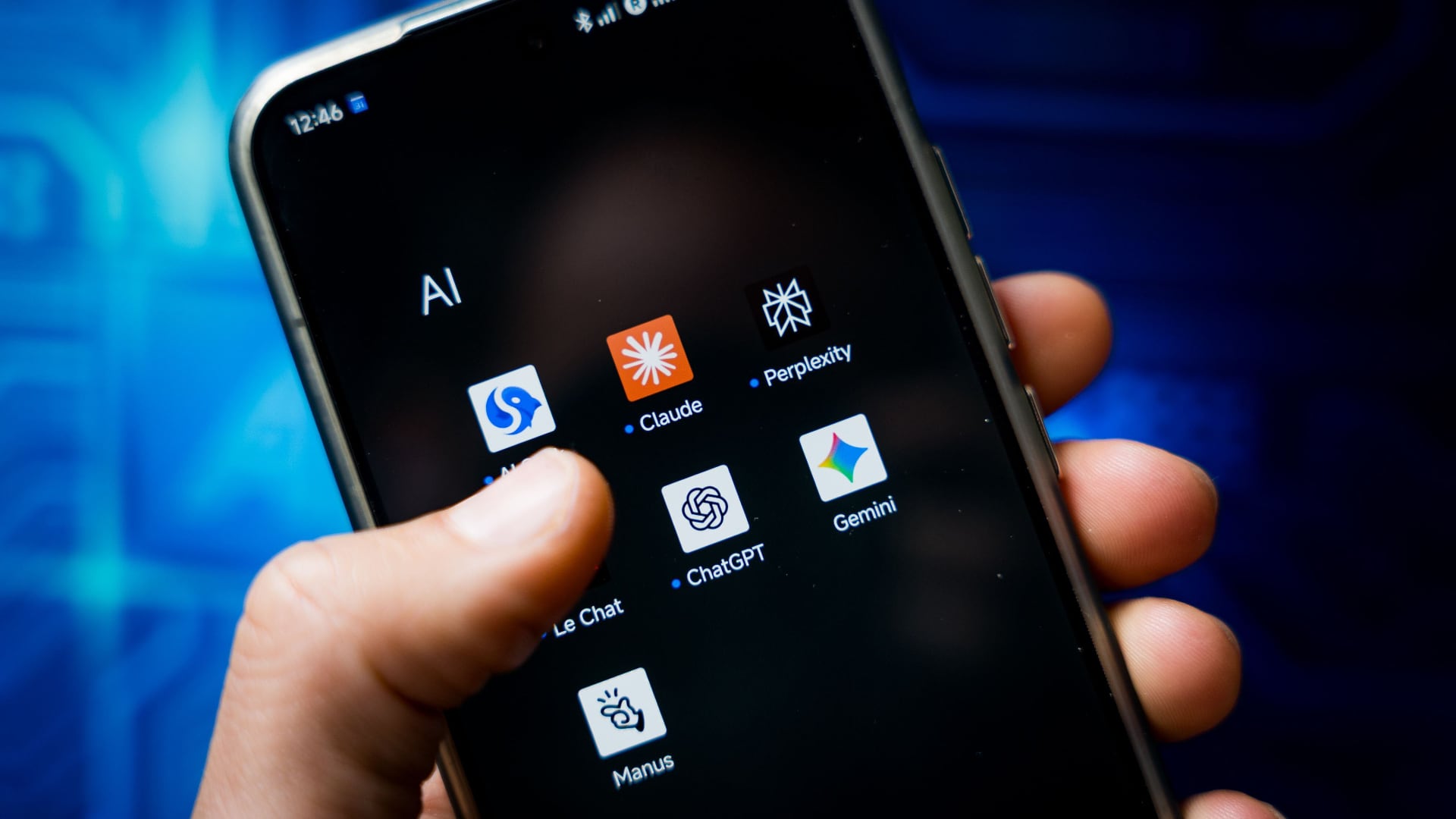
President Donald Trump has signed an executive order to block states from regulating artificial intelligence. He argues that heavy regulations could stifle the industry, especially given competition from China. Trump says the U.S. needs a unified approach to AI regulation to avoid complications from state-by-state rules. The order directs the administration to draw up a list of problematic regulations for the Attorney General to challenge. States with laws could lose access to broadband funding, according to the text of the order. Some states have already passed AI laws focusing on transparency and limiting data collection.
Waymo's self-driving taxis have been in the spotlight for both negative and positive reasons. This week, the automated ride-hailing taxis went viral after a San Francisco woman gave birth inside a Waymo taxi while on her way to the hospital. A Waymo spokesperson on Wednesday confirmed the unusual delivery. It said the company's rider support team detected unusual activity inside the vehicle and alerted 911. The taxi arrived safely at the hospital before emergency services. Waymo's popularity is growing despite heightened scrutiny following an illegal U-turn and the death of a San Francisco cat. The company, owned by Alphabet, says it is proud to serve riders of all ages.
OpenAI has appointed Slack CEO Denise Dresser as its first chief of revenue. Dresser will oversee global revenue strategy and help businesses integrate AI into daily operations. OpenAI CEO Sam Altman recently emphasized improving ChatGPT, which now has over 800 million weekly users. Despite its success, OpenAI faces competition from companies like Google and concerns about profitability. The company earns money from premium ChatGPT subscriptions but hasn't ventured into advertising. Altman had recently announced delays in developing new products like AI agents and a personal assistant.
President Donald Trump says he will allow Nvidia to sell its H200 computer chip used in the development of artificial intelligence to “approved customers” in China. Trump said Monday on his social media site that he had informed China’s leader Xi Jinping and “President Xi responded positively!” There had been concerns about allowing advanced computer chips into China as it could help them to compete against the U.S. in building out AI capabilities. But there has also been a desire to develop the AI ecosystem with American companies such as chipmaker Nvidia.
The end of 2025 is almost upon us. And it’s time to unpack Spotify Wrapped. On Wednesday, the music streaming giant delivered its annual recap — giving its hundreds of millions of users worldwide a look at the top songs, artists, podcasts and other audio they listened to over the past year. Spotify isn’t the only platform to roll out a yearly glimpse of data collected from consumers’ online lives. But since its launch about a decade ago, Wrapped has become one of the most anticipated. And Spotify is billing the 2025 edition to be the biggest yet, with a host of new features it hopes may also address some disappointments users had last year.