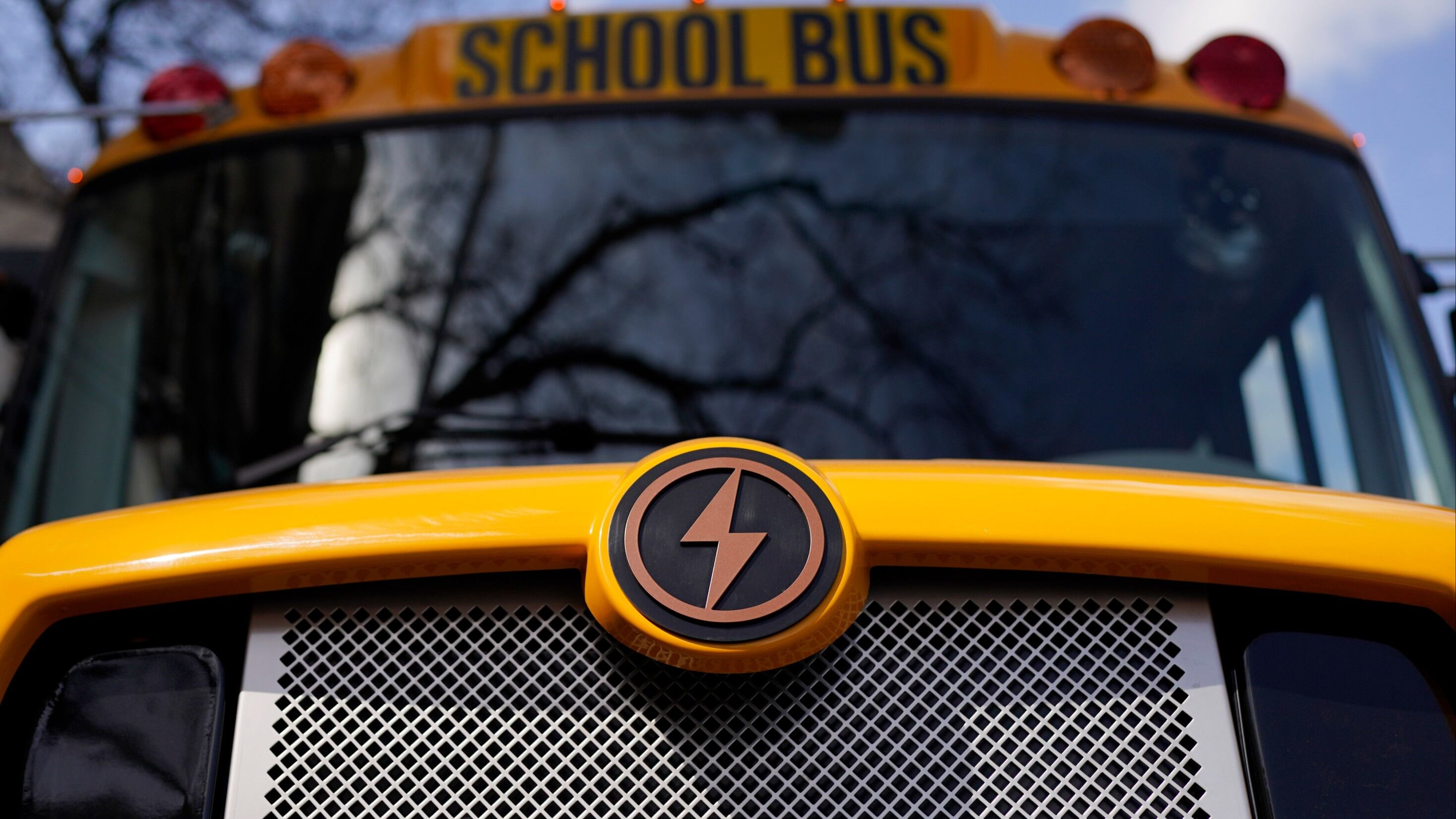
A Lion electric school bus is seen on display in Austin, Texas, Feb. 22, 2023. The Transportation Department is awarding almost $1.7 billion in grants for buying zero and low emission buses, with the money going to transit projects in 46 states and territories. The grants will enable transit agencies and state and local governments to buy 1,700 U.S.-built buses, nearly half of which will have zero carbon emissions. (AP Photo/Eric Gay, File)
By Josh Boak
The U.S. Department of Transportation is awarding almost $1.7 billion in grants for buying zero- and low-emission buses, with the money going to transit projects in 46 states and territories.
The grants will enable transit agencies and state and local governments to buy 1,700 U.S.-built buses, nearly half of which will have zero carbon emissions. Funding for the grants comes from the 2021 bipartisan infrastructure bill signed into law by President Joe Biden. The Democratic president has made it a priority to put more electric vehicles on the road — especially for schools and public transit — in an effort to contain the damage from climate change.
“Every day, millions of Americans climb aboard over 60,000 buses to get to work, to school, doctor’s appointments, everywhere they need to be,” Transportation Secretary Pete Buttigieg said in a call with reporters. “These are unprecedented levels of investment when it comes to putting modern cleaner buses on the road.”
Monday's announcement covers the second round of grants for buses and supporting infrastructure. All told, the U.S. has invested a total of $3.3 billion in the projects so far. Government officials expect to award roughly $5 billion more over the next three years.
The Biden administration said that the new buses will improve public health as diesel exhaust will no longer be going into the air and that the new buses will be easier to maintain.
The government received 475 project proposals for the grants that totaled roughly $8.7 billion, a sign of the demand for the funding.
The Seattle area will be getting $33.5 million to purchase 30 electric battery buses and chargers. The Washington, D.C., transit authority will use $104 million to make a bus garage an electric facility and buy roughly 100 electric battery buses. But money also is going outside of major U.S. cities, with Iowa City, Iowa, and the Seneca Nation in Western New York also receiving grants.
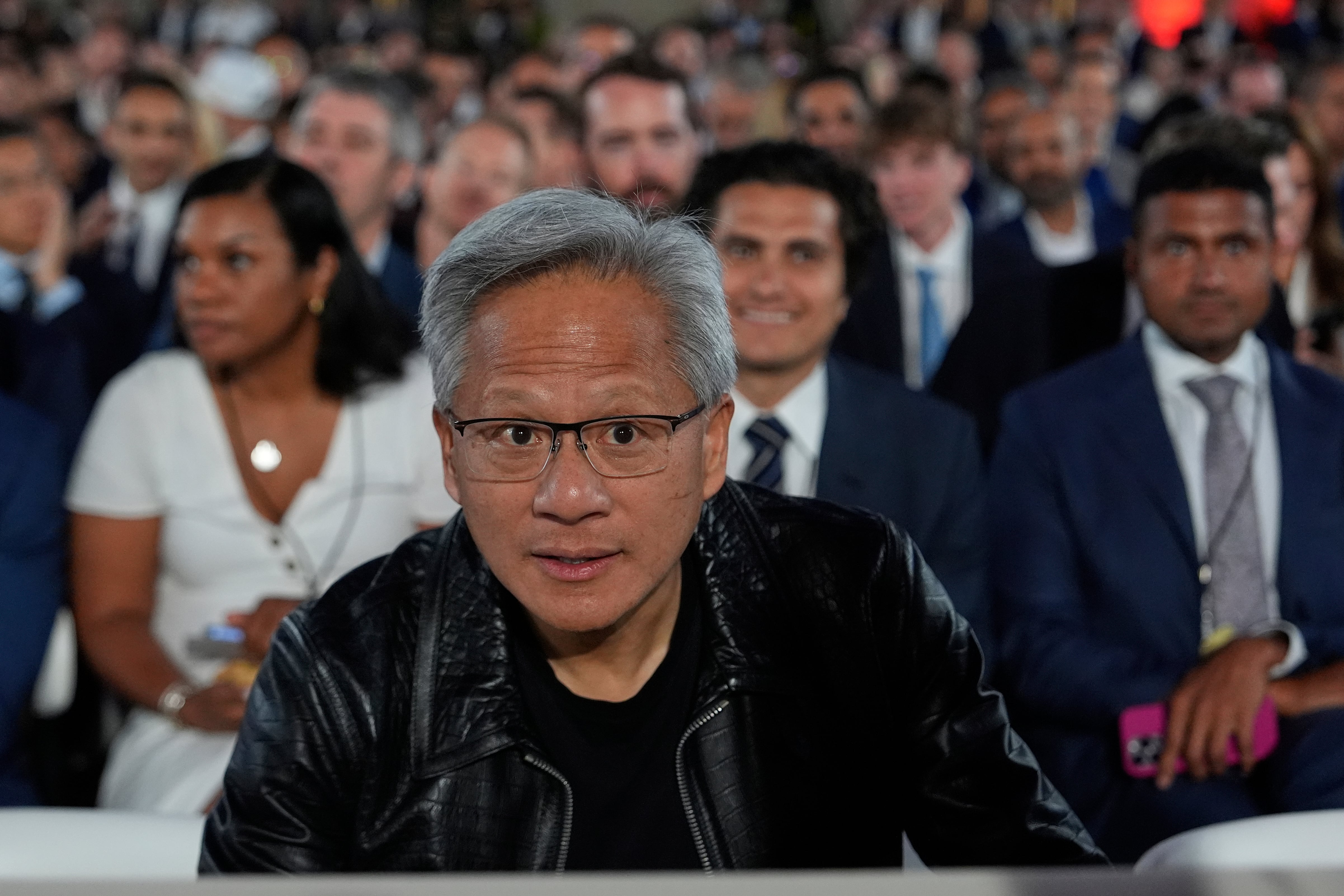
Chipmaker Nvidia is poised to release a quarterly report that could provide a better sense of whether the stock market has been riding an overhyped artificial intelligence bubble or is being propelled by a technological boom that’s still gathering momentum.
A group of book authors has reached a settlement with AI company Anthropic after suing for copyright infringement. A federal appeals court filing Tuesday said both sides have negotiated a proposed class settlement, with terms to be finalized next week. Anthropic declined to comment. A lawyer for the authors called it a "historic settlement." In June, a federal judge ruled that Anthropic didn't break the law by training its chatbot on copyrighted books. However, the company was still facing trial over acquiring those books from online "shadow libraries" of pirated copies.
Elon Musk on Monday targeted Apple and OpenAI in an antitrust lawsuit alleging that the iPhone maker and the ChatGPT maker are teaming up to thwart competition in artificial intelligence.
Elon Musk’s X has reached a tentative settlement with former employees of the company then known as Twitter who’d sued for $500 million in severance pay.
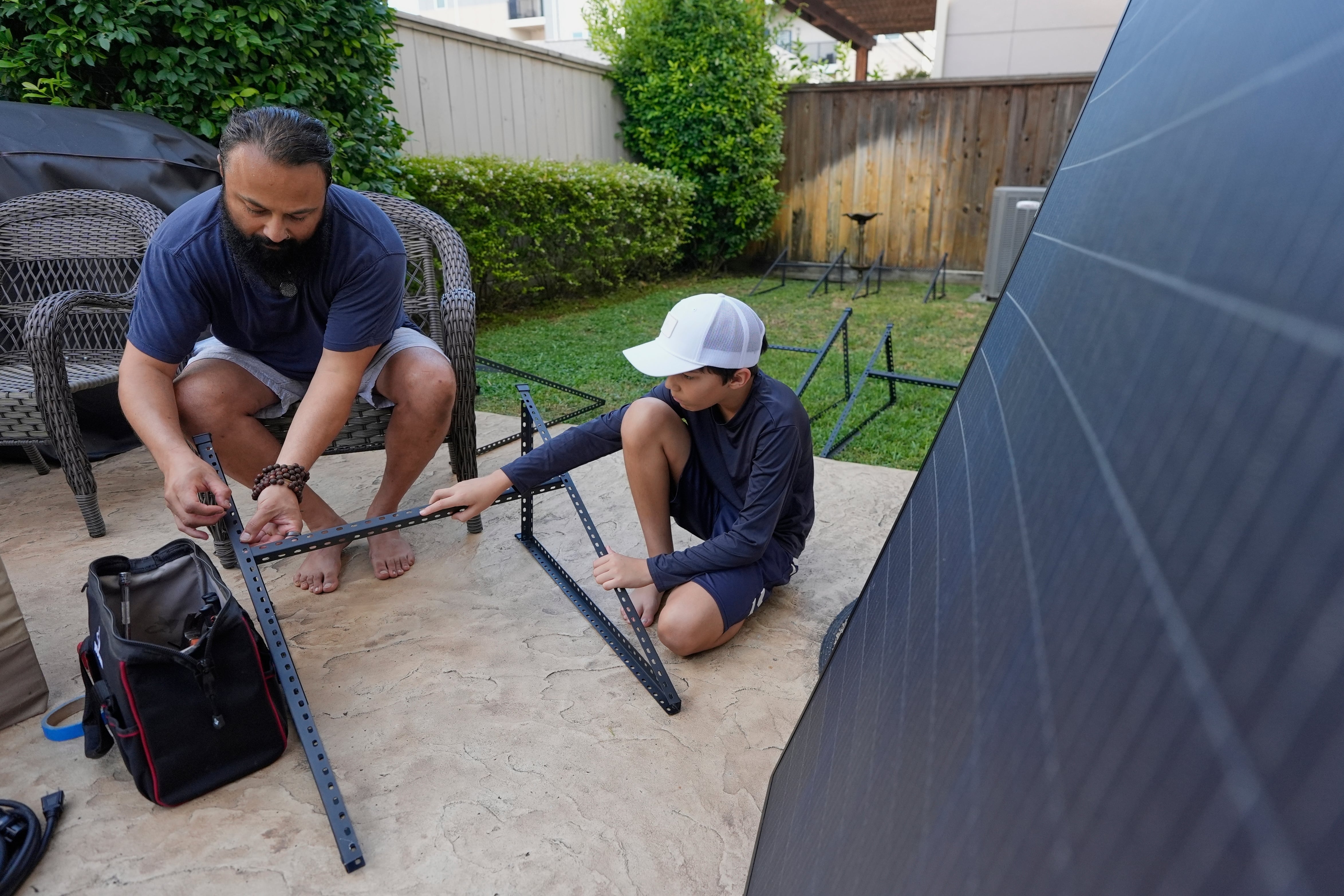
Small-scale solar panels about the size of a door are poised to be plugged into more U.S. homes and apartments as homeowners and renters who want to harness the sun’s energy look for cheaper alternatives to rooftop installations.
Rebecca Bellan, Senior Reporter at TechCrunch, dives into ChatGPT’s GPT‑5 release—what’s new, what’s controversial, and why this model could change the game.