In a recent piece, the New York Times asked: Why are people so down about the economy? and recent economic news showed a revision downward, which means U.S. economic growth was weaker than many expected in Q1. This has put consumer spending in a similar spot — still growing but at a “slower pace than previously thought,” notes the Associated Press, saying it’s “a sign that high interest rates and lingering inflation are pressuring household budgets.”
What’s happening with this economy, and why does everything appear much weaker than initially thought?
Why the slowdown?
The slowdown comes after a revision that moved the Q1 estimates from a 1.6 percent growth rate — already not a great number — to 1.3 percent. “Last quarter’s pullback was due mainly to two factors’: the surge in imports and a reduction in inventories, writes Paul Wiseman for the AP. Of course, since inventory numbers are inherently up and down, this isn’t the whole story. Consumers also spent a little less on appliances and furniture with a big quarterly drop.
Higher interest rates put downward pressure on the economy. The AP quotes Bill Adams, Comerica’s chief economist, as saying that the first quarter results show a clear, visible impact from the Federal Reserve’s tight interest rates.
What slow economic growth means for the election
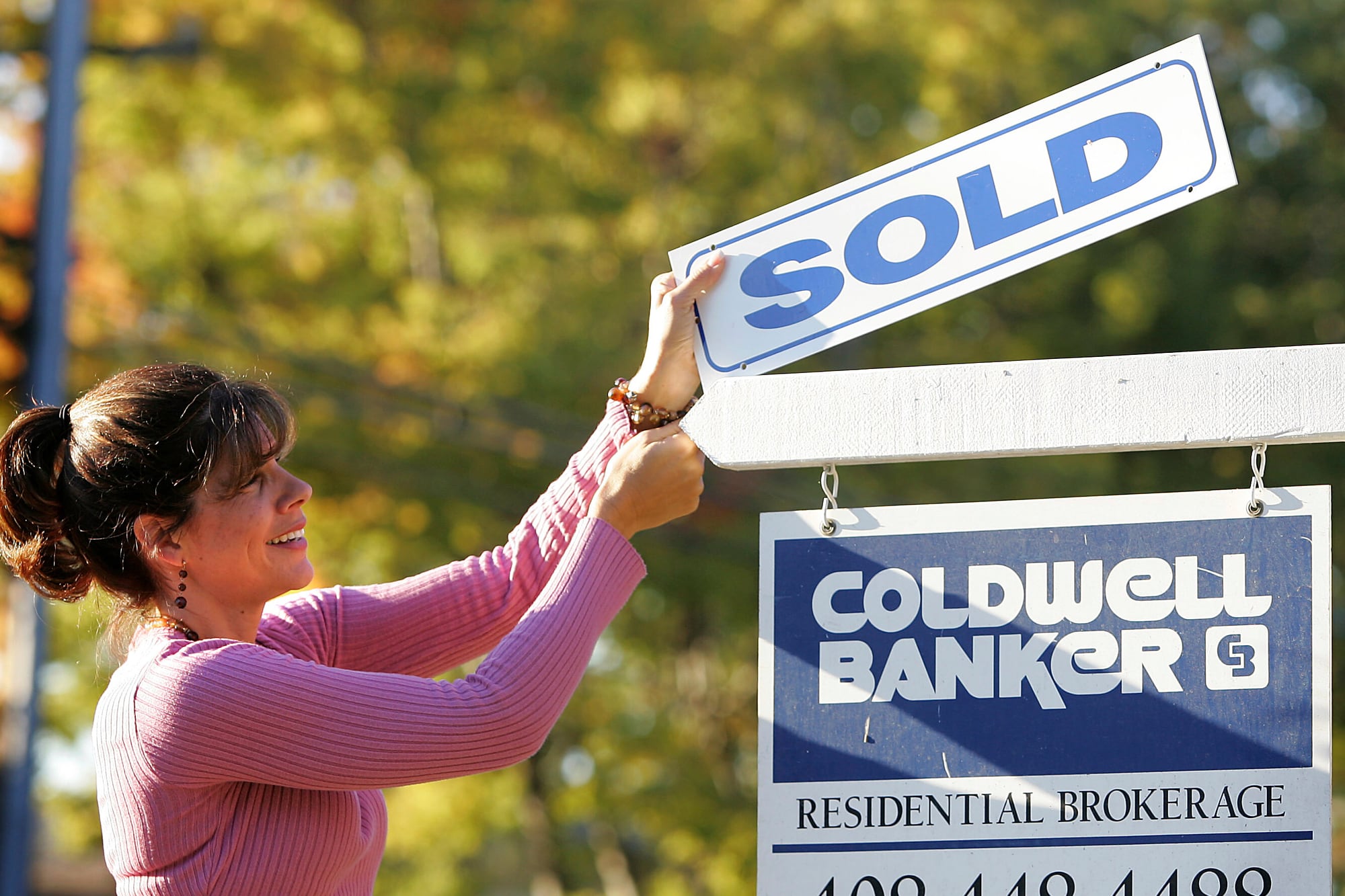
Bad economic news is typically not great for the incumbent president during an election. That puts pressure on U.S. President Joe Biden, particularly if consumer behavior suggests that citizens are feeling strong pressure to hold back and save money due to inflation. With high interest rates, don’t be surprised if many people across the U.S. feel that their ability to borrow — say, to buy a home — is hampered. Over time, that pressure adds up to frustration for an incumbent’s economic policies.
That’s showing up in the polls, with many respondents still rating the economy as “poor.” Since these numbers are showing up in key battleground states, it suggests a hotly contested election season.
The economic outlook for the rest of 2024
High interest rates create downward pressure on markets. That’s nothing new. But given that the recent economic revision moved economic growth downward, it is casting a slight shadow on the economic forecast for the remainder of 2024. Might this trend continue?
In April, the International Monetary Fund saw a “steady but slow” economy across the world, calling it “resilience amid divergence.” That seems to have been borne out in U.S. headlines. Even though inflation pressures are hurting U.S. consumers, the truth is that there’s plenty of resilience in the marketplace. For example, although appliance and furniture purchases fell in the first quarter of 2024, more consumer spending went toward services. This suggests people are still taking vacations or eating out at restaurants — paying for conveniences. And this, in turn, suggests there’s some disposable income out there.
The economy is slow but steady. The question is whether that trend will continue going into the election — if the economic growth stagnates and falls off completely. If so, it could be a noisy and contentious election year in which an incumbent struggles against the economic headlines.