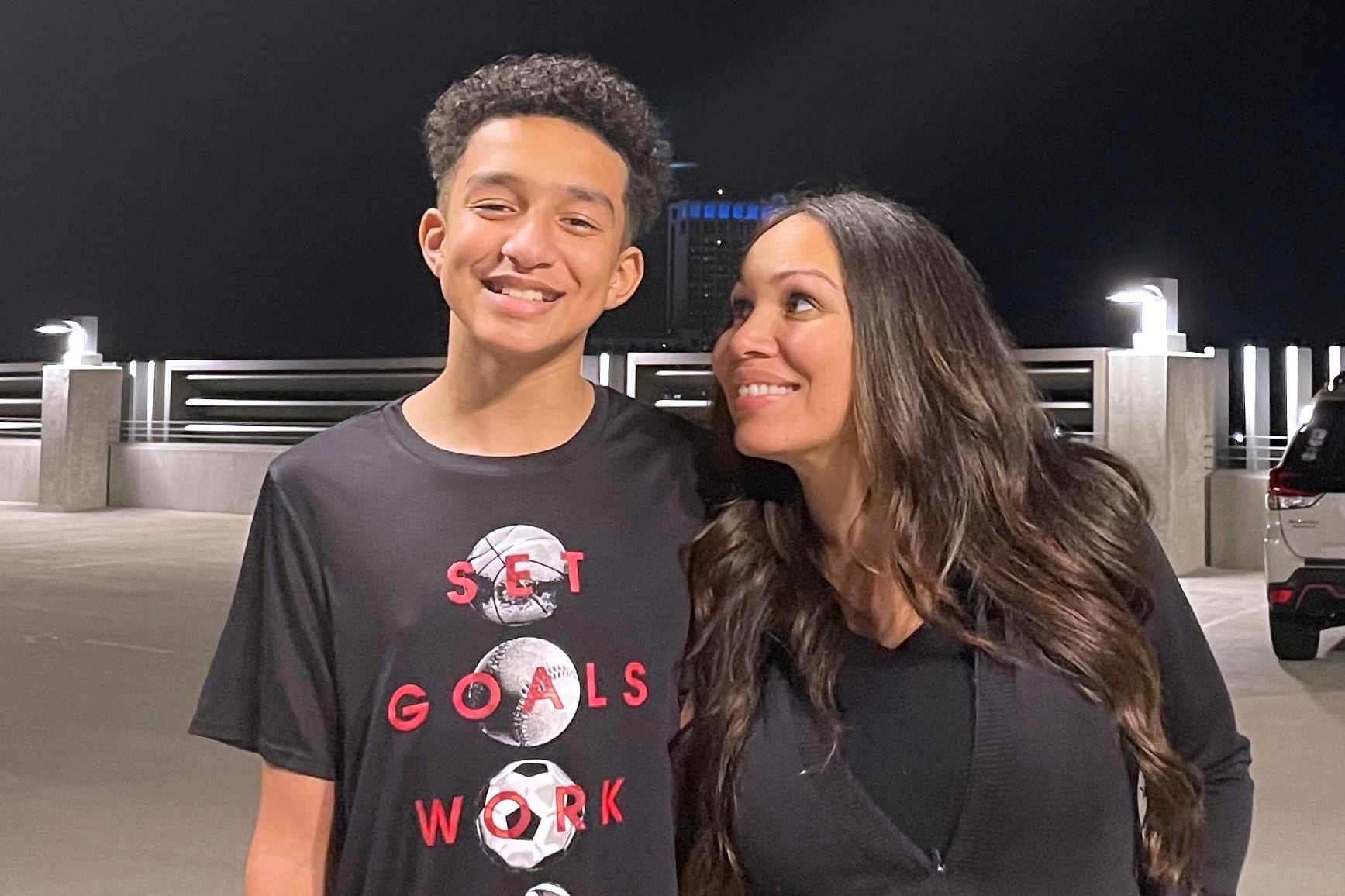
Khushi Baby is the device that lets babies and mothers in rural India wear their medical histories around their necks. CEO and co-founder Ruchit Nagar joins us to discuss how the landmark technology works. He also tells us what went into turning his idea from a college project into a revolutionary product.
Nagar breaks down the technology behind the inexpensive digital necklace. He explains the app medical workers can use to easily access the medical histories of mothers and babies in rural India. The device uses near-field communication technology and cloud computing to become a "digital key" to the world's health gap.
While the technology is only being used in India now, Ragar gives us a look ahead at his company's plan for expansion into Africa and the Middle East. He also speculates on how advancements in 5G technology can increase the device's capabilities. Finally, we learn how researchers are using the app for analysis in addition to data collection.
YouTube will offer creators a way to rejoin the streaming platform if they were banned for violating COVID-19 and election misinformation policies that are no longer in effect.
Ben Lamm, founder of Colossal Biosciences, is leading a bold mission to resurrect the extinct dodo via gene editing, avian breakthroughs, and rewilding plans.
Chipmaker Nvidia will invest $100 billion in OpenAI as part of a partnership that will add at least 10 gigawatts of Nvidia AI data centers to ramp up the computing power for the owner of the artificial intelligence chatbot ChatGPT.
Julie Hansen of Babbel unveils Babbel Speak, an AI voice trainer tackling language fear head-on, as Babbel eyes IPO and takes on AirPods’ translation tech.
The Trump administration has issued its first warnings to online services that offer unofficial versions of popular drugs like the blockbuster obesity treatment Wegovy.