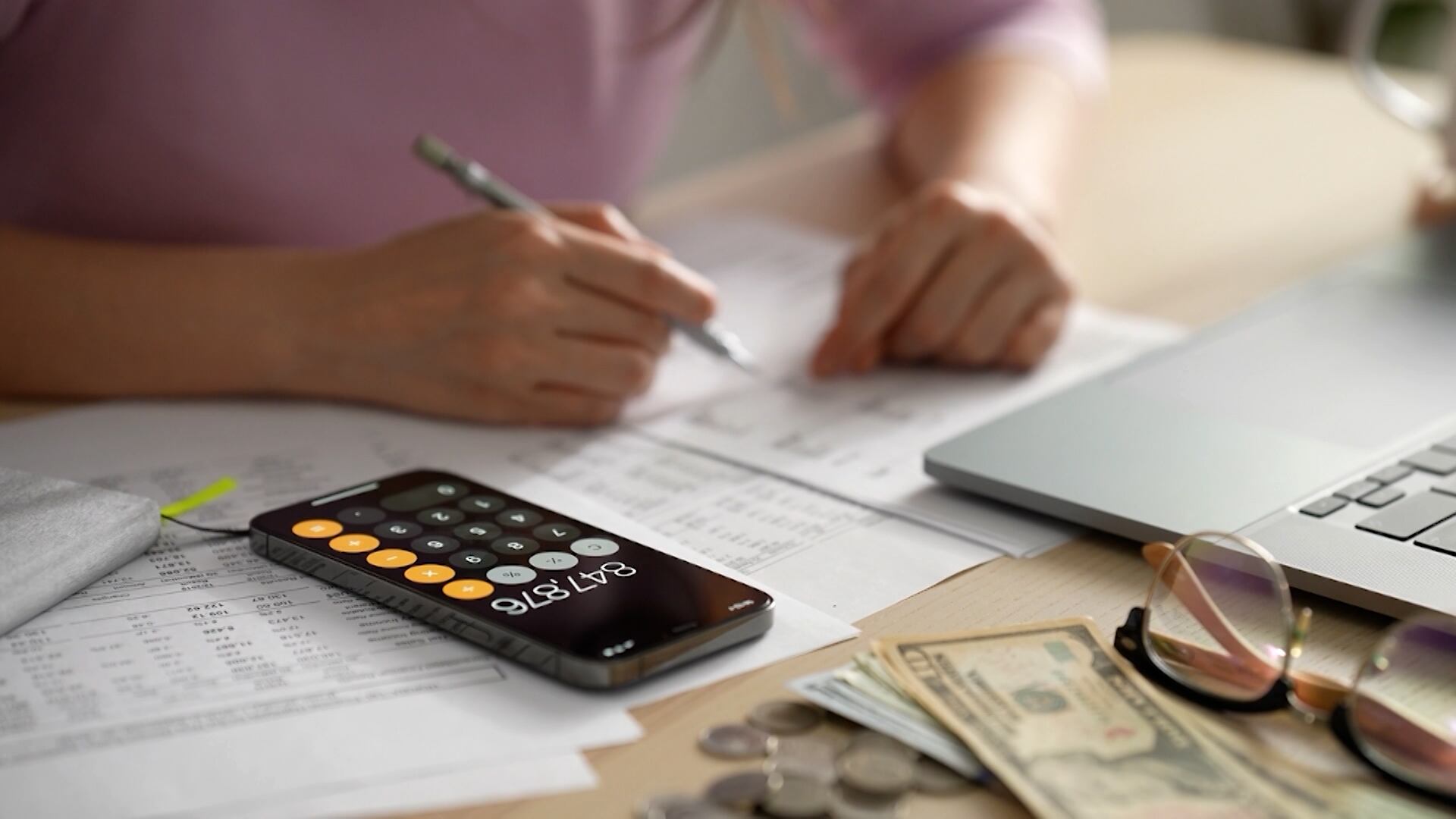
The fallout from the COVID-19 pandemic has been so wide-reaching that 50 percent of Americans say they are now worse off than a year ago, the most since the Great Recession of 2008 and 2009.
A study by Gallup found that only 35 percent of Americans reported that they are better financial positions than they were just a year ago. The analytics firm has been surveying Americans on the state of their finances since 1976 and said it is rare that half or more of the country report they are doing worse financially than the year before.
Last year, the survey was even with 41 percent saying they were in better positions and 41 percent reporting that they were worse off.
The dropoff in financial security is linked to historically high inflation rates and a drop in a stock market value despite personal wages spiking. When it comes to low-income earners, 61 percent say their finances have diminished over the last year. Just 26 percent reported improvements.
While the current inflation rate sits at 6.5 percent, Americans say they are hopeful about the future. Sixty percent of respondents said they expect their finances to improve in the next year.
Gallup concluded that there could be chance to avoid an economic recession if financial optimism remains high and Americans continue to spend, ultimately boosting the economy.
Applied Aerospace & Defense CEO Trip Ferguson discusses the company's IPO, defense spending, space innovation, and the future of U.S. aerospace manufacturing.
David Fahrenthold, investigative reporter for The New York Times, examines rising costs, contracts, and transparency concerns in Trump's D.C. projects.
Amy Sullivan, President of Bed Bath & Beyond, joins us to discuss the brand’s comeback, its Container Store partnership and the future of home shopping.