Even prior to the onset of the pandemic, streaming services already accounted for a large share of content consumption, but over the last year, the demand for various platforms has surged to new heights.
However, while audiences watched theatrical releases via streaming services like Amazon Prime and HBO Max or attended live concerts like Verzuz — recently acquired by Triller — on Apple Music and Instagram, they didn't just consume. They ran to platforms like Twitch to create their own content.
Doug Scott, chief marketing officer at Twitch, said that the platform has grown rapidly, and its users have found a home because it provides a sense of community, allowing creators to authentically connect.
“When people come to Twitch, you might initially come for that content but when you get that Go Live notification from a streamer you love, your instinct is not to come in and just see what’s streaming. It’s to come in and just say hi," Scott told Cheddar about why users stick around.
As users continue to broadcast themselves and essentially become their own media companies, Scott said Twitch’s priority is always to remain “focused on creators” and establish spaces where their creativity can shine.
“People come to Twitch because there’s an incredible wealth of content there," he said. "There’s obviously gaming content, which we’re well known for. There’s also sports, music, just about anything people are passionate about."
As commercial options tighten, more travelers are turning to private aviation. Wheels Up CEO George Mattson breaks down capacity and demand challenges.
Layoffs, hiring slowdowns, and shifting skill demands dominate this year’s job talk. LinkedIn’s Kory Kantenga explains what workers should watch for next.
Retailers face tariffs and cost challenges this holiday season. Wells Fargo's Lauren Murphy shares insights on pricing, promotions, and shopping trends.
Dateability, founded by sisters Jacqueline and Alexa Child, is the only dating app for disabled and chronically ill communities, fostering love without limits.
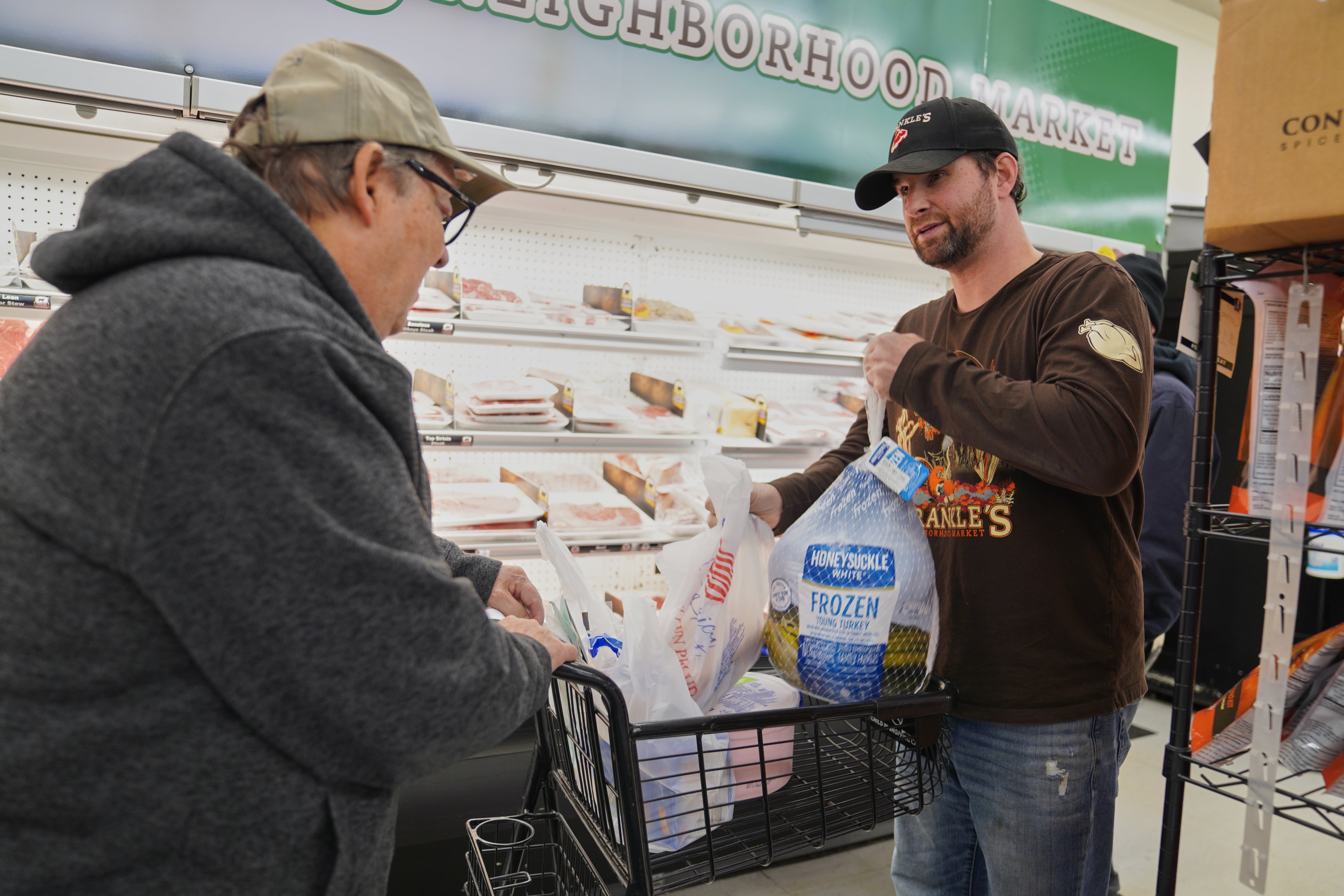
Some small grocery stores and neighborhood convenience stores are eager for the U.S. government shutdown to end and for their customers to start receiving federal food aid again. Late last month, the Trump administration froze funding for the SNAP benefits that about 42 million Americans use to buy groceries. The U.S. Department of Agriculture says about 74% of the assistance was spent last year at superstores like Walmart and supermarkets like Kroger. Around 14% went to smaller stores that are more accessible to SNAP beneficiaries. A former director of the United Nations World Food Program says SNAP is not only a social safety net for families but a local economic engine that supports neighborhood businesses.
Andy Baehr, Head of Product at CoinDesk Indices, breaks down crypto’s Black Friday crash, Bitcoin dipping under $100K, and what’s driving the market rout.