After a bruising week for progressive Democrats that ruled out including a minimum wage hike in the $1.9 trillion COVID-19 relief bill, Congressional business on the legislation will continue next week. This is your Washington Week Ahead for the week of March 1.

Trump Speaks

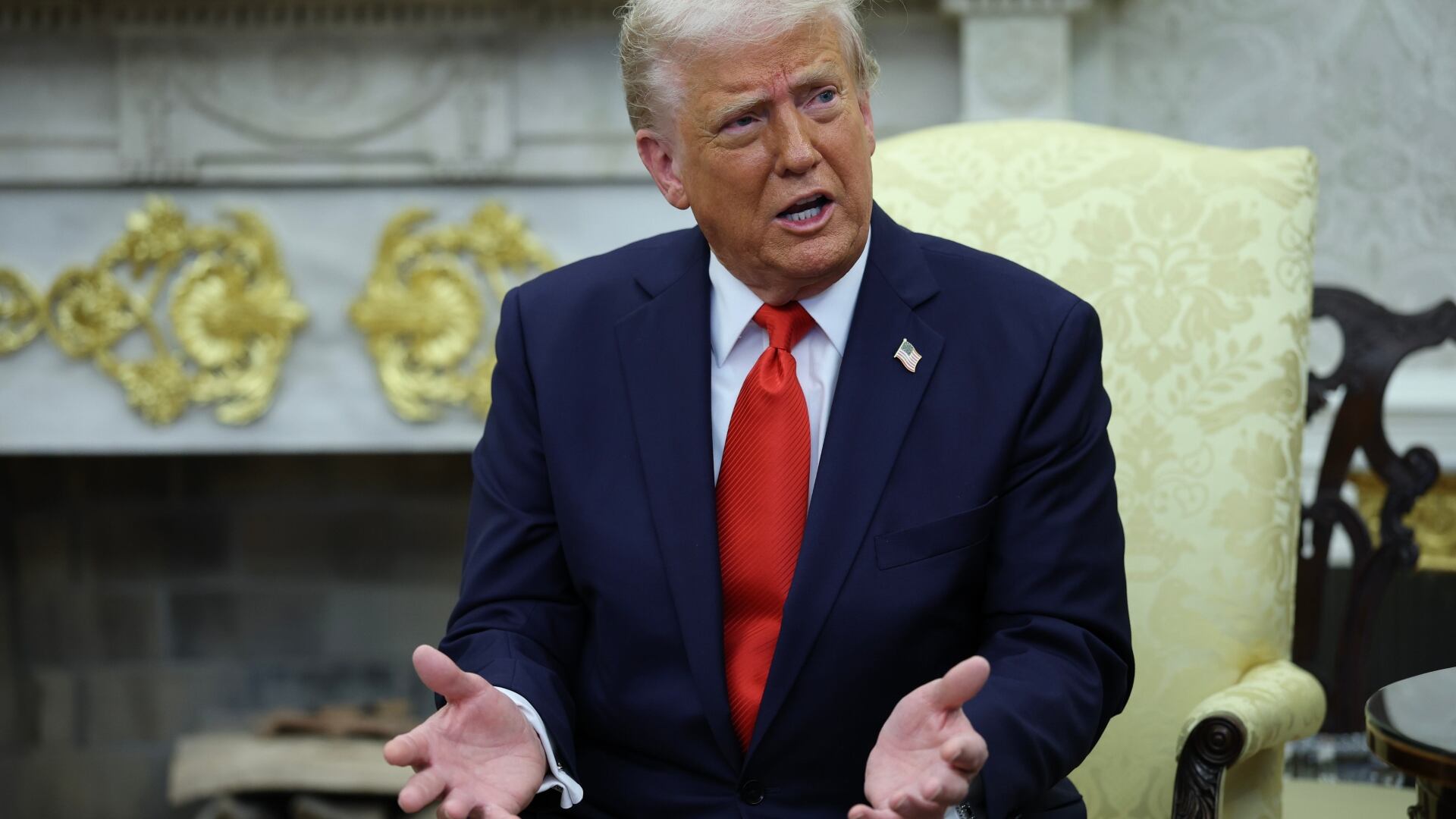
Former President Donald Trump will speak at the Conservative Political Action Conference, commonly referred to as CPAC, in Orlando on Sunday. It will be his first major public appearance since leaving office and comes after a series of high-profile rebukes from Democrats, including an impeachment trial, while the Republican Party seems divided on how it moves forward. Plus, Sen. Mitch McConnell (R-Ky.) keeps flip-flopping in his support, pledging to support Trump if he runs for the White House again in 2024, just days after holding him responsible for the January 6 insurrection on the Capitol building. Trump has pledged a return of his Make America Great Again movement and CPAC will provide a friendly platform for that exact messaging, further highlighting the hold he still has on his party. 

Stimulus Stalemate

The Senate will begin debate on the American Rescue Plan on March 1, marking the first time the chamber is officially taking up the latest round of coronavirus relief spending. The nearly $2 trillion rescue package includes $1,400 stimulus checks for Americans, billions in federal relief for state, local, and tribal governments, and a huge bucket of money for vaccine rollout. Because the Senate has a legislative filibuster, the bill must adhere to the Byrd Rule, a parliamentary procedure that allows budget reconciliation legislation to pass without being subject to the filibuster. One thing we know for sure is that the final Senate version of the bill, expected to pass next week, will not include a federal minimum wage increase after the parliamentarian determined it would be against the rules. The current federal minimum wage is $7.25 and has remained unchanged since 2009. 

Voting Rights in the Spotlight

Now that the House of Representatives has finished with COVID relief, it’s on to other priorities. In the last Congress, House Democrats passed H.R. 1, the For the People Act, a sweeping election reform bill. It languished in a Republican-controlled Senate. This is a chance for the chamber to try again — but expect a lot of amendments from Republicans, looking to strike down provisions like universal vote-by-mail and extended early voting periods, as well as a national holiday for Election Day. At the same time, the United State Supreme Court will hear arguments on a pair of Voting Rights Act cases that could further erode protections for disadvantaged voters. So in the first week in March, 20 months before the 2022 midterm elections, all eyes in Washington will be on voting rights.

Share:
More In Politics
Trump approves sale of more advanced Nvidia computer chips used in AI to China
President Donald Trump says he will allow Nvidia to sell its H200 computer chip used in the development of artificial intelligence to “approved customers” in China. Trump said Monday on his social media site that he had informed China’s leader Xi Jinping and “President Xi responded positively!” There had been concerns about allowing advanced computer chips into China as it could help them to compete against the U.S. in building out AI capabilities. But there has also been a desire to develop the AI ecosystem with American companies such as chipmaker Nvidia.
Swing district Republicans brace for political fallout if health care subsidies expire
House Republicans in key battleground districts are working to contain the political fallout expected when thousands of their constituents face higher bills for health insurance coverage obtained through the Affordable Care Act. For a critical sliver of the GOP majority, the impending expiration of the enhanced premium tax credits after Dec. 31 could be a major political liability as they potentially face midterm headwinds in a 2026 election critical to President Donald Trump’s agenda. For Democrats, the party’s strategy for capturing the House majority revolves around pinning higher bills for groceries, health insurance and utilities on Republicans.
Trump says Netflix deal to buy Warner Bros. ‘could be a problem’ because of size of market share
President Donald Trump says a deal struck by Netflix last week to buy Warner Bros. Discovery “could be a problem” because of the size of the combined market share. The Republican president says he will be involved in the decision about whether federal regulators should approve the deal. Trump commented Sunday when he was asked about the deal as he walked the red carpet at the Kennedy Center Honors. The $72 billion deal would bring together two of the biggest players in television and film and potentially reshape the entertainment industry.
What’s in the legislation to end the federal government shutdown
A legislative package to end the government shutdown appears on track. A handful of Senate Democrats joined with Republicans to advance the bill after what's become a deepening disruption of federal programs and services. But hurdles remain. Senators are hopeful they can pass the package as soon as Monday and send it to the House. What’s in and out of the bipartisan deal has drawn criticism and leaves few senators fully satisfied. The legislation includes funding for SNAP food aid and other programs while ensuring backpay for furloughed federal workers. But it fails to fund expiring health care subsidies Democrats have been fighting for, pushing that debate off for a vote next month.
Load More