Fast-casual restaurant Dos Toros is one of the latest chains to go cash-free.
Marketing manager Marcus Byrd said that the change saved the team time and that most customers didn’t even notice a difference.
“We found that 85 percent of customers use cards already at Dos Toros,” he said in a Cheddar interview. “And of those 15 percent that use cash, we only found that one percent could not go to Dos Toros.”
The company first went cashless in October and other chains such as Sweetgreen have made similar changes. One recent study finds that nearly two-thirds of smartphone users dole out cash sometimes, they prefer to use cards or mobile payments. Research firm eMarketer credits speed and convenience, safety, and rewards for the change.
Still, going all digital does come with disadvantages. Power outages or WiFi issues mean payments can’t be processed. And the “unbanked” population -- the estimated 7 percent of U.S. households without a bank account are excluded.
Byrd says that the company is focused on bringing in those consumers.
“We’re actually going to come out with an app next year, and we hope that there’s a location that can accept cash and turn that into money on your app or on a gift card, so that everybody can enjoy Dos Toros,” he said.
For the full interview [click here](https://cheddar.com/videos/dos-toros-goes-cashless).
The U.S. economy is being held up in part by the AI boom, but that boom could still lead to broader prosperity or inequality, says a Nobel Prize winner.
Foundation Robotics co-founder Michael LeBlanc explains how humanoid robots are moving from the lab to military and industrial missions and what comes next.
Jeff Burnstein, President of the Association for Advancing Automation (A3), discusses humanoid robots, AI, smart manufacturing, and the future of U.S. industry.
Should kids be banned from social media? Nick Lichtenberg of Fortune breaks down the global push to restrict under-16 users and what it means for Big Tech.
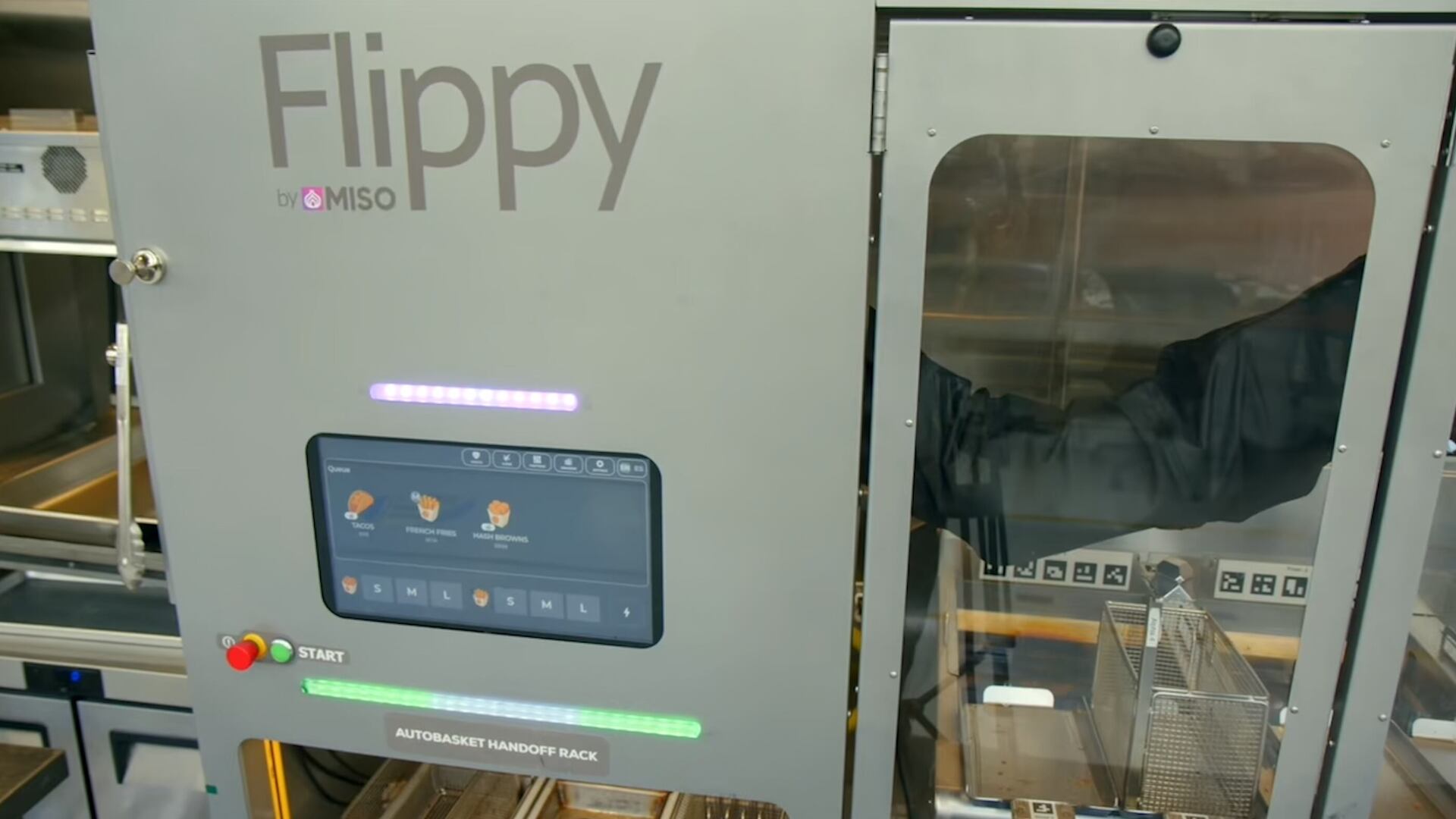
Miso Robotics CEO Rich Hull discusses Flippy Fry Station, the future of AI-powered restaurant automation and how acquiring Zume's IP could reshape food robotics
After two years of AI-fueled spending, Wall Street is asking what's next. Gil Luria breaks down monetization, valuations, winners, losers, and AI's future.