What Trump's Decision on the Iran Nuclear Deal Means for Your Wallet
*By Mike Teich*
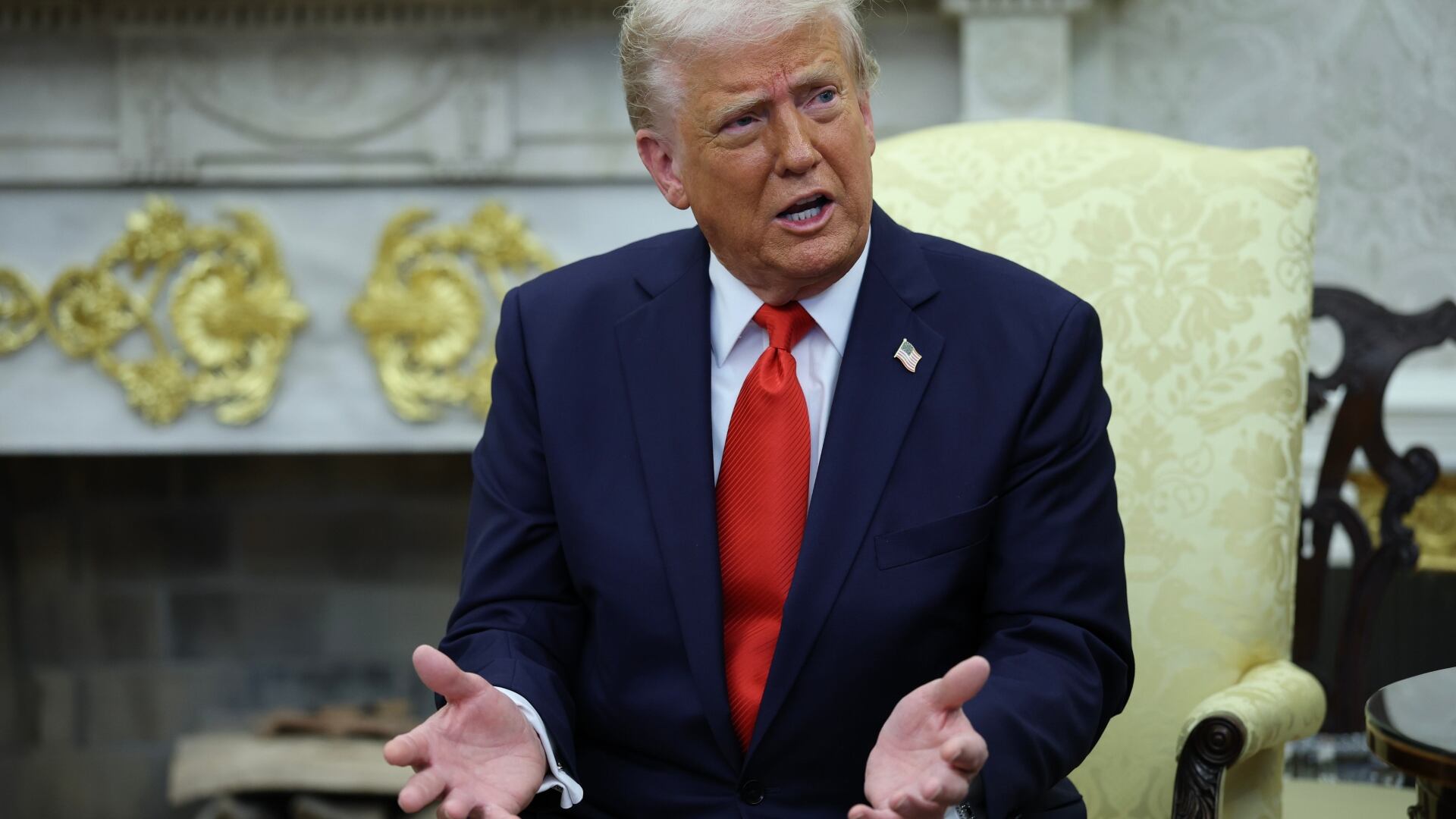
President Trump pulled the United States out of the Iran nuclear deal Tuesday, abandoning the Obama administration's signature foreign policy accomplishment almost three years after it was agreed.
The oil market had already accounted for the likelihood Trump would abandon the deal, but volatility in oil prices could be affected by the tone of the president's statement, and the degree of the sanctions he imposes, said Patrick DeHaan, the head of petroleum analysis at GasBuddy.
"The more fiery the response from President Trump, the more oil prices could eventually rally," said DeHaan in an interview Tuesday with Cheddar.
A spike in oil prices might cause discretionary spending to drop, he said, adding that every penny the average price of oil rises, it takes $4 million a day away from the economy. While the initial increase in prices may make summer road trips a little more expensive for travelers, DeHaan doesn't anticipate a major impact on consumer spending until we hit a a more "psychological barrier" of $3 a gallon.
For the full interview, [click here](https://cheddar.com/videos/how-trumps-decision-to-withdraw-from-iran-nuclear-deal-affects-your-wallet).
House Republicans in key battleground districts are working to contain the political fallout expected when thousands of their constituents face higher bills for health insurance coverage obtained through the Affordable Care Act. For a critical sliver of the GOP majority, the impending expiration of the enhanced premium tax credits after Dec. 31 could be a major political liability as they potentially face midterm headwinds in a 2026 election critical to President Donald Trump’s agenda. For Democrats, the party’s strategy for capturing the House majority revolves around pinning higher bills for groceries, health insurance and utilities on Republicans.
President Donald Trump says a deal struck by Netflix last week to buy Warner Bros. Discovery “could be a problem” because of the size of the combined market share. The Republican president says he will be involved in the decision about whether federal regulators should approve the deal. Trump commented Sunday when he was asked about the deal as he walked the red carpet at the Kennedy Center Honors. The $72 billion deal would bring together two of the biggest players in television and film and potentially reshape the entertainment industry.
Real estate software company RealPage has agreed to stop sharing nonpublic information between landlords as part of a settlement with the Department of Justice.
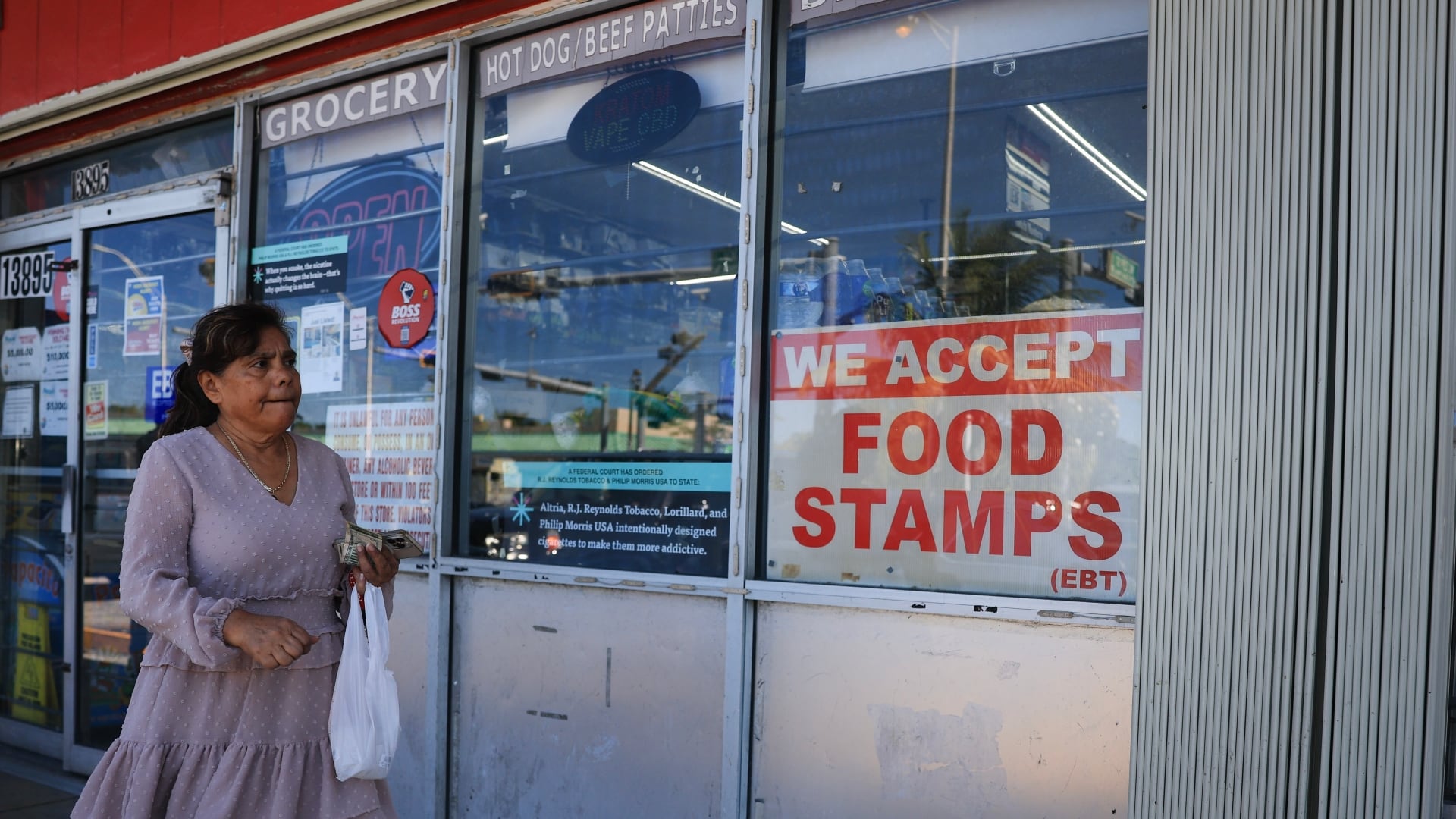
A legislative package to end the government shutdown appears on track. A handful of Senate Democrats joined with Republicans to advance the bill after what's become a deepening disruption of federal programs and services. But hurdles remain. Senators are hopeful they can pass the package as soon as Monday and send it to the House. What’s in and out of the bipartisan deal has drawn criticism and leaves few senators fully satisfied. The legislation includes funding for SNAP food aid and other programs while ensuring backpay for furloughed federal workers. But it fails to fund expiring health care subsidies Democrats have been fighting for, pushing that debate off for a vote next month.
Sabrina Siddiqui, National Politics Reporter at The Wall Street Journal, joins to break down the SNAP funding delays and the human cost of the ongoing shutdown.