Why Neither Party Is Happy With Ex-FBI Director James Comey
The former FBI director James Comey attempted to position himself above party politics in his first public interview since President Trump fired him last year, and the anger Comey has engendered from Democrats and Republicans may indicate he succeeded.
"It helps his credibility in some sense that he's not positioning himself directly in alliance with one party or the other," said Jack Crowe, a reporter at the National Review. "No one in Washington is particularly happy with him."
In the ABC interview, Comey said Trump was "morally unfit to be president," angering Republicans perhaps as much as he upset Democrats when he told Congress 11 days before the 2016 presidential election that he was reopening part of the investigation into Hillary Clinton's emails. Clinton said in her 2017 book, "What Happened," that Comey's decision likely cost her the election.
Since Comey was fired in May 2017, he has emerged as a polarizing figure in Washington. His termination led to the appointment of the special counsel, Robert S. Mueller III, to investigate whether the Trump campaign worked with agents of the Russian government. The investigation has ensnared individuals close to Trump, including his personal lawyer, Michael D. Cohen.
During the ABC interview to promote his new memoir, Comey told Stephanopoulos that "it's possible" the Russian government has compromising information on Trump.
"It is stunning and I wish I wasn't saying it, but it's just-- it's the truth," Comey said.
Speaking on Cheddar's live broadcast on Monday, Crowe said that Comey's criticism of Trump didn't clearly "align himself with the democrats," but speculating that the Russian's may have dirt on the president "hurts Comey's credibility a bit."
Comey is scheduled to conduct a number of media interviews this week to promote his book, "A Higher Loyalty: Truth, Lies, and Leadership," to be published Tuesday by Flatiron Books.
For the full interview, [click here](https://cheddar.com/videos/james-comey-tells-all).
House Republicans in key battleground districts are working to contain the political fallout expected when thousands of their constituents face higher bills for health insurance coverage obtained through the Affordable Care Act. For a critical sliver of the GOP majority, the impending expiration of the enhanced premium tax credits after Dec. 31 could be a major political liability as they potentially face midterm headwinds in a 2026 election critical to President Donald Trump’s agenda. For Democrats, the party’s strategy for capturing the House majority revolves around pinning higher bills for groceries, health insurance and utilities on Republicans.
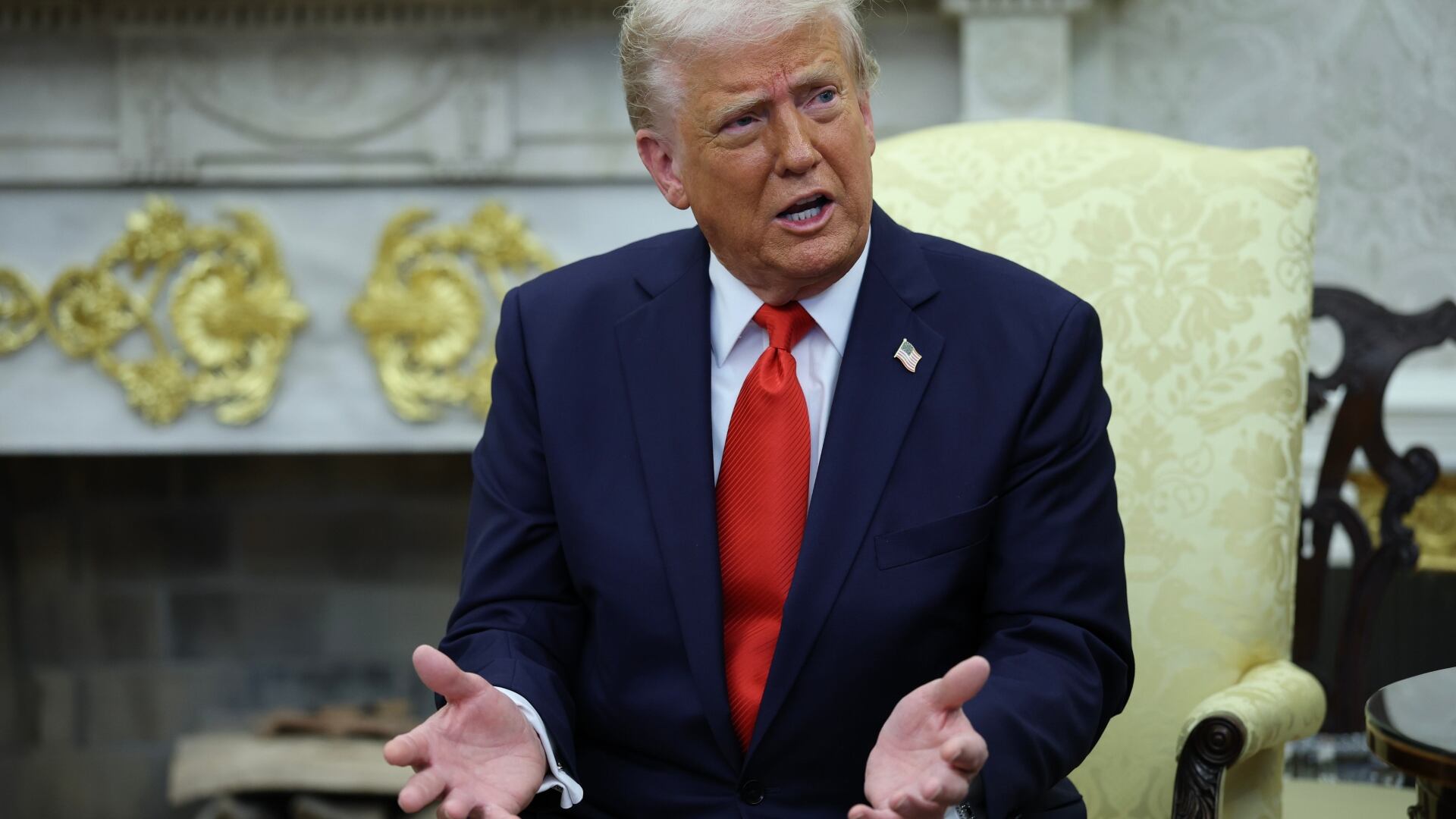
President Donald Trump says a deal struck by Netflix last week to buy Warner Bros. Discovery “could be a problem” because of the size of the combined market share. The Republican president says he will be involved in the decision about whether federal regulators should approve the deal. Trump commented Sunday when he was asked about the deal as he walked the red carpet at the Kennedy Center Honors. The $72 billion deal would bring together two of the biggest players in television and film and potentially reshape the entertainment industry.
Real estate software company RealPage has agreed to stop sharing nonpublic information between landlords as part of a settlement with the Department of Justice.
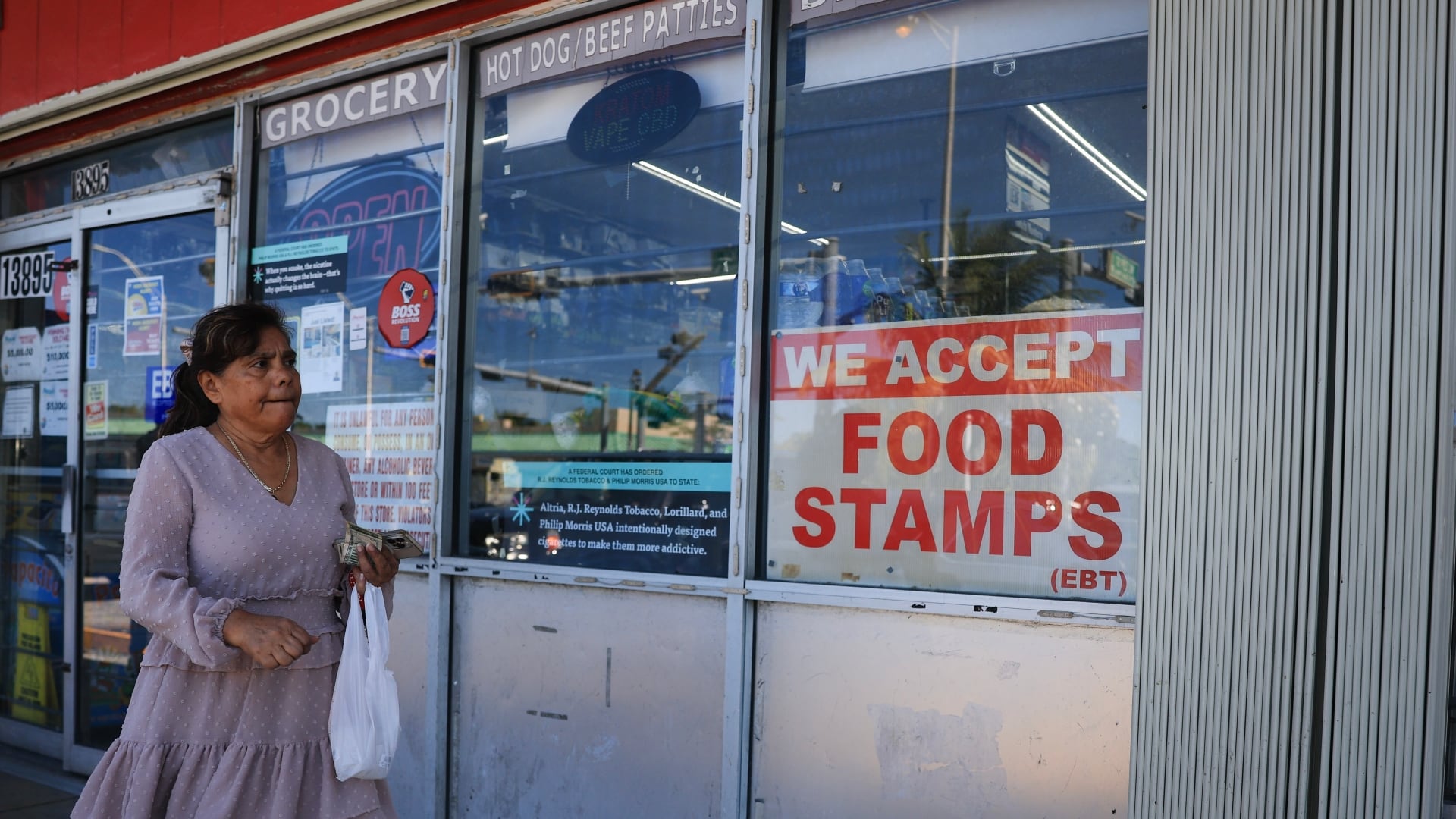
A legislative package to end the government shutdown appears on track. A handful of Senate Democrats joined with Republicans to advance the bill after what's become a deepening disruption of federal programs and services. But hurdles remain. Senators are hopeful they can pass the package as soon as Monday and send it to the House. What’s in and out of the bipartisan deal has drawn criticism and leaves few senators fully satisfied. The legislation includes funding for SNAP food aid and other programs while ensuring backpay for furloughed federal workers. But it fails to fund expiring health care subsidies Democrats have been fighting for, pushing that debate off for a vote next month.
Sabrina Siddiqui, National Politics Reporter at The Wall Street Journal, joins to break down the SNAP funding delays and the human cost of the ongoing shutdown.